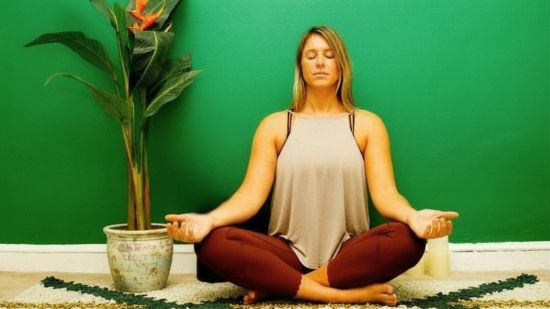
Stress Reduction Through the Mind-Body Connection:
3 Practical Ways to Calm Your Day
Stress is not just mental—it is physical. The mind-body connection plays a central role in how your body responds to pressure, anxiety, and daily demands. Learning to regulate your nervous system can improve focus, recovery, and overall performance.
Below are three evidence-based strategies to reduce stress naturally and bring your body back to a more balanced state.
1. Slow Breathing for Nervous System Regulation
One of the fastest ways to reduce stress is through intentional breathing.
Slow, diaphragmatic breathing helps regulate the autonomic nervous system, shifting your body from a heightened stress response (fight-or-flight) to a calmer, more grounded state. Research shows slow breathing is associated with improved heart rate variability and reduced stress responses.
At Nesfield Performance, breathing is not treated as an add-on—it is a core part of recovery and performance. It is often integrated into training sessions because how you recover matters just as much as how you train.
Key reminders:
Slow breathing is not weakness
It is not “doing nothing”
It is one of the most effective ways to signal safety to your body
2. Mindfulness and Body Awareness (Interoception)
Mindfulness does not require long meditation sessions. Small, consistent moments of awareness throughout the day can significantly reduce stress.
Interoceptive awareness—your ability to notice internal body signals—helps you catch stress before it escalates. Common signals include:
Shallow breathing
Jaw tension
Tight shoulders
Restlessness
Feeling disconnected
Moving quickly without awareness
Research on mindfulness-based practices shows measurable improvements in stress, anxiety, and emotional regulation.
A practical example is mindful walking. Instead of moving on autopilot, bring attention to:
Sounds in your environment (birds, wind, people)
Visual details (plants, movement, light)
Physical sensations (feet hitting the ground, air on your skin)
This shifts you out of constant mental activity and back into your body.
3. Social Connection and Nature for Stress Relief
Stress is influenced not only by internal factors but also by your environment and relationships.
Social Connection
Strong social connections are linked to better mental and physical health, while isolation is associated with increased stress and poorer outcomes.
Meaningful connection does not require proximity. It can include:
Phone calls
Voice notes
Intentional conversations
Focused, uninterrupted interaction
Passive engagement (like scrolling social media) does not provide the same regulatory benefit as active, intentional connection.
Nature Exposure
Spending time outdoors is consistently associated with lower stress levels and improved mental health. Sunlight, fresh air, and green space all contribute to nervous system regulation.
A Simple Framework for Daily Stress Management
To simplify stress reduction:
Use your breath to calm the body
Use awareness to catch stress early
Use connection and nature to reset your system
Discover Your Baseline
The goal is not to eliminate stress entirely. The goal is to recognize it earlier and respond more effectively.
Practical ways to apply this:
Take a few minutes for slow breathing
Go for a mindful walk in sunlight
Reach out to someone and connect intentionally
Recognize when your body is reacting to pressure—not danger
This is the mind-body connection in action: practical, accessible, and rooted in how your body actually works.
References
Zaccaro et al. (2018). Slow Breathing and Psychophysiological Effects. Frontiers in Human Neuroscience.
Goyal et al. (2014). Meditation Programs for Psychological Stress. JAMA Internal Medicine.
Jimenez et al. (2021). Nature Exposure and Health Outcomes. IJERPH
Ready to reduce stress and improve performance? Book a free consultation or try a trial mobility session at Nesfield Performance in Bethesda. Contact us: 240.652.2808 info@reply.nesfieldperformance.com | Visit nesfieldperformance.com
About the author:
Chris Njoku Moser: CPT, Nutrition Coach — Personal Trainer and Nutrition Coach at Nesfield Performance, Bethesda. Evidence-based coaching in strength, recovery, and sustainable habit change.
About Nesfield Performance:
Nesfield Performance — a Bethesda performance & wellness studio serving Chevy Chase and the DC suburbs. We combine strength training, movement education, nutrition guidance, and recovery strategies to build long-term resilience and health. Learn more: nesfieldperformance.com