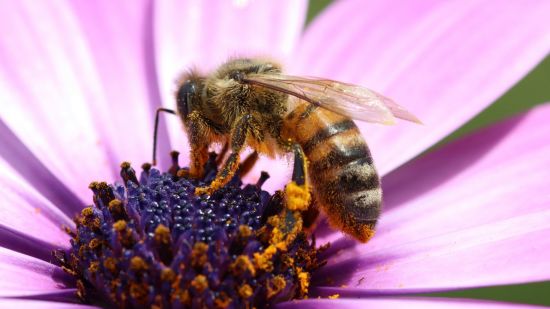
I surrendered my studio this week to focus on wildscaping my new pollinator garden. Wildscaping is designing your garden to be functional, beautiful, and beneficial to nature.
For years, I’ve had an overgrown strip adjacent to the far side of my house. It runs the length of the brick edifice and is six or eight feet wide. Ugh! What a mess. When the ornamental grasses that occupied the spot, plus the weed trees that gained their own foothold, grow large throughout the summer, the area becomes nearly impenetrable.
Most of those plants are non-native invaders, so their healthy growth does not provide food or habitat to the insects and other critters that live in my yard. I asked the young guys who cut my postage-stamp size lawn to cut all the brush to ground level and haul it all away. I left it to them where to take it, but I saw liberal use of paper yard waste bags, so I knew we were thinking the same thing. After their valiant efforts, I had an open side yard, ripe with possibility.
I’ve been gardening for a few years long enough to notice the cycles of growth and decay, long enough to see which plants are planted where they can thrive, long enough to see where I’ve gone disastrously wrong in my choice of plant or location. Throughout it all, I’ve been cognizant of selecting native Missouri plants to provide a natural habitat for native animal species, be they the birds, insects, or cute little furry critters like the bunnies and squirrels I see every morning. I am fortunate to live in an area not overrun with deer, as I understand they can be quite damaging to a garden. I did have to deal with a family of moles last year, however. I was able to remove them with a few sprinklings of granular castor oil. As it sinks into the lawn, the oil makes the soil unpalatable to the tunneling fiends, without hurting them or adjacent plants. The harmful excavators tunnel away on their own.
Returning to the side yard, I discovered a few large, stubborn root balls still firmly embedded in the soil. With the point of a sharp spade, a high-pressure jet from a water hose, and an axe, I managed to dislodge the brutes and create a somewhat level canvas for the new garden. (Okay, one of my boys had to swing the axe a few times to break up that big crusty root, but I got the project started.)
To determine my next steps, I consulted my trusty friend, Google AI. Through carefully worded prompts, I learned that this year’s work on my new garden was almost complete! An overgrown patch of land such as mine will benefit from sitting fallow until next year. All I needed to do was cover the open ground with cardboard, then layer over it with two inches of hardwood mulch. These materials will prevent the remaining organic debris and weedy roots from re-germinating without the need for icky commercial pesticide. By spring planting season, everything beneath the cardboard will have decayed into beneficial compost, providing nutrients for next year’s new plants!
I finished laying the cardboard and mulch late yesterday afternoon, before it started to rain. It was a big project, but one I found oh, so satisfying.
. In reviewing the AI-suggested plants for next year, I’m considering a few changes. I’ll stick to natives, but without all those overgrown non-native plants, I just might have enough room to squeeze in a couple of dwarf fruit trees- a bonus worth investigating. Wildscaping beneath them with colorful native blooms- whether prairie or woodland varieties, as dictated by the new conditions, will be a treat!
I’ll head back into the studio next week to prep for Holiday. Enjoy summer turning to autumn in your area. Inspiration is all around you! And thank you for supporting handmade.
-xo
Top photo, closeup of Bee on Flower, Angelo Casto on Unsplash.
All other photos and videos by the author.