Unexpected bumps in the road of renovation can be a blessing. Homeowners rarely go looking for water in the basement or mold in the crawl space. When problems under the home reveal themselves during remodeling, they can be solved as part of the bigger plan rather than evolving into their own, more expensive repair project.
Floor replacement
The decision to replace flooring in the home opens a world of possibilities, and there's a thrill to visiting the flooring warehouse to inspect various styles and colors. Unfortunately, many homeowners have had their new possibilities dimmed by high humidity in their subfloor.
Moisture testing is essential when laying hardwood. An installer will refuse to lay flooring if the subfloor has moisture levels above 12%. If the subfloor is past that threshold, it’s a great opportunity for the homeowner to have their crawl space inspected, as high moisture content in the wood often indicates high levels of humidity beneath the home.
Inspectors should always check relative humidity (RH) during crawl space evaluations. RH over 60% creates a prime environment for mold growth and wood rot. A proper remedy often includes installing a dehumidifier and full encapsulation. Without this renovation discovery, mold may have continued to thrive and rot the wood in your crawl space, possibly resulting in full subfloor replacement.
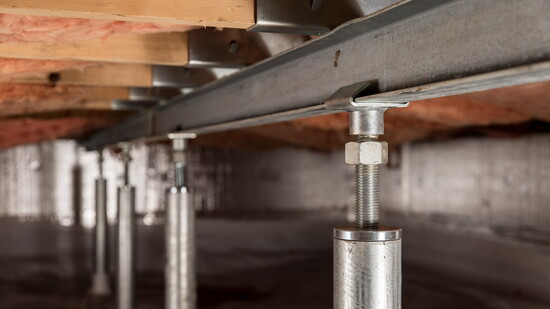
Aside from moisture, floors may slope due to a lack of support beneath the home. Ground settlement underneath support pillars in the crawl space removes support from floor joists, causing them to bend and the floor to sag. Adjustable steel support systems can be installed under the home to brace the floor joists and raise the floor back to its original position.
For homeowners looking to expand usable living space, similar discoveries often happen during basement renovations.
Basement finishing
You may have decided it’s time to turn your basement into an extra living suite, a media room, or an in-home gym. While updating that extra room under your feet, you may find some surprises along the way.
Before beginning the project, it’s advantageous to inspect the space for existing moisture. Signs could include wet carpet, rusted carpet tacks, mold on furniture, or white chalky substance on walls called efflorescence. It’s also a good time to check for cracks or bowing in your basement walls which could indicate your walls need additional support or potential foundation problems.
If any of these symptoms are present, consider calling a waterproofing and foundation specialist to create a solution before renovating. They will give you the best idea of how much you’ll need to budget for the project. If no moisture is present, time to move on to the fun part of designing your space!
If moisture is the issue in your basement, consider installing a drainage system and a sump pump to remove the collected water. A dehumidifier is often used to pull humidity from the air. Walls and floors can be installed as normal over any waterproofing measures.
If bowing or cracked walls are an issue, there are several solutions that will stabilize or straighten them. Most solutions are low-profile and allow for renovations to continue as planned.
HVAC Upgrades
With Williamson County’s hot summer humidity and cold winter dips, it’s important to have a fully functioning HVAC system. Your HVAC system works hard to keep you comfortable, but you may be footing a bigger bill than necessary. If you’ve been considering a new HVAC system, you may want to inspect your crawl space first.
If your home takes a long time to reach the correct temperature, your floors are cold over the crawl space even when the rest of the home is comfortable, or a musty smell permeates the home, the crawl space may be impairing your HVAC ducts.
Air circulates through your home in a process called the Stack Effect, where warm air inside a building rises and escapes through the top, causing cooler outside air to be drawn in from the bottom.
According to Energy Star, typical homes lose 20-30 percent of conditioned air moving through the duct system. Small openings allow for that air to leave the duct and unconditioned crawl space air to flow in and distribute throughout the home.
Encapsulation creates a conditioned space under your feet and reduces stress on your HVAC system. A sealed vapor barrier prevents musty, crawl space air from circulating through your home, stabilizes temperatures, and lowers your heating and AC bill. Air rising into your home will be healthier, and musty smells will be reduced.
Summary
Unexpected barriers in renovation are frustrating. They can interrupt your timeline and your budget. But while repairing unseen damage in your home isn’t as glamorous as new floors or a basement, it ensures your home will last longer and be healthier to live in. You can end your project with peace of mind knowing your money was well spent and your home protected for years to come.
FrontierBasementSystems.com