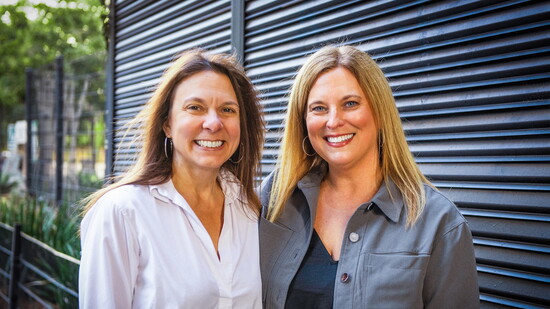
While ADHD, dyslexia and other neurodiverse learner patterns are often discussed in early education, there is far less conversation—and even less support—around how these remarkably common challenges continue to affect individuals throughout their lives. It’s a gap that Amie Davies and Maria DelCorso understand deeply. As founders of New Agenda, the sought-after pair brings a thoughtful, empowering approach to people of all ages—from students and young adults to parents, families and working professionals—who struggle with executive function skills related to these neurodiverse profiles. From their office in Santa Monica, as well as through virtual coaching for clients near and far, Davies and DelCorso provide individualized executive function coaching designed to strengthen core skills such as organization, time management, planning, task initiation and emotional regulation. “This also helps with a greater self-awareness and independence in managing daily responsibilities and academic or work demands, as well as improved emotional regulation and social processing for problem solving and relationships,” Davies explains. As we step into January, the duo shares their top five tips for starting the new year with a plan.
1. Time Management
Work on time estimation to understand how long tasks truly take, then use time blocking—dividing the day into structured blocks—to set aside designated periods for focus. These tools offer a clearer sense of pace and help to reduce the overwhelm that often comes with open-ended activities.
2. Task Initiation
Try body doubling—working side-by-side with someone in person or virtually—to overcome the initial hurdle of starting a task. This calm and reliable presence helps spark momentum, increase accountability, leverages social facilitation and reduces overwhelm.
3. Emotional Regulation
Practice slow, deep breathing during moments of frustration or stress. This simple reset can support clearer thinking and emotional control, especially for individuals who may experience feelings more intensely or have difficulty pausing before reacting.
4. Task Lists
Task lists help children, students and adults build structure—whether for morning routines, homework or managing unstructured time with growing responsibilities. They also reduce cognitive load, giving the brain a clear roadmap instead of relying on memory.
5. Focus
Use structured techniques like the Pomodoro Method—alternating intervals of focused work with short breaks to maintain energy and attention. This rhythm works especially well for neurodiverse learners who benefit from predictable cycles of engagement and rest.
New Agenda
730 Arizona Ave #243 Santa Monica
804-223-0130
newagendacoaching.com
Businesses featured in this article