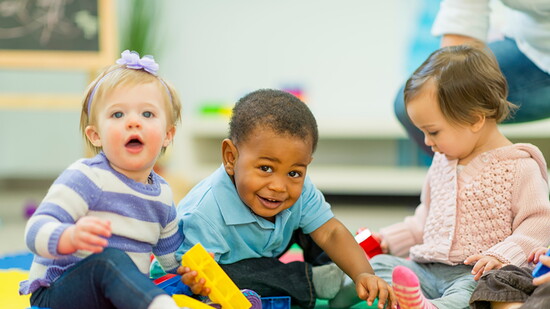
If you're a new parent, chances are you've Googled, "When should my baby start talking?" or wondered, "Is this normal?" You're not alone. Here's what every parent should know.
1. Milestones Aren't a Race
Developmental milestones are more than first steps and first words. As children grow, they're also learning how to connect, communicate, think, explore, and react to the world. That’s why developmental milestones are grouped into four main skill areas:
- Social and emotional: smiling, playing peek-a-boo, or showing affection.
- Language and communication: babbling, saying words like "mama," and following simple directions.
- Cognitive: stacking blocks, solving simple puzzles, or recognizing colors.
- Physical: rolling over, crawling, walking, or using a spoon.
You’ll hear a lot about what babies “should” be doing by certain ages. Try not to stress — these are just general guidelines, not strict deadlines.
2. Delays Can Be Helpful Clues
You don't need to be an expert to notice how your child is developing. Just watching everyday interactions can tell many things. If your child isn't babbling, responding to their name, making eye contact, pointing to objects, or meeting other milestones, it doesn't automatically mean something is wrong. It simply means it might be time to ask a few more questions and talk with your pediatrician.
3. Early Help Makes a Difference
If your child does need extra help, getting it early can make a big difference. Support can build a child’s communication skills, confidence, and independence to get back on track. Remember, you’re not expected to figure everything out on your own. It’s okay to ask for help.
Have Questions?
The Medina County Board of Developmental Disabilities is the community resource responsible for helping young parents by connecting, coordinating, and funding services for people of all ages with developmental delays and differences. Call 330.725.7751 or visit MCBDD.org for more information.