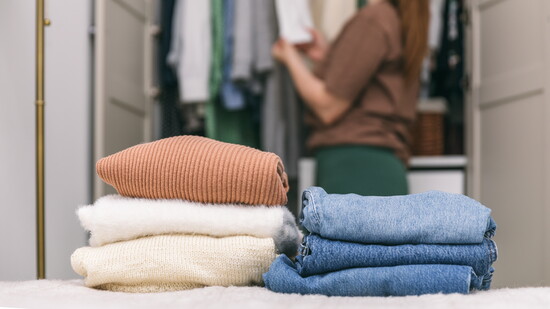
As you read this, you are probably wearing plastic. If you’re in leggings, a workout top, a fleece, puffer jacket, or anything described as “stretchy,” “athleisure,” or “performance,” (or even denim with just a bit of give), there’s a very good chance it’s made from polyester, nylon, acrylic, or elastane. Translation: oil. Synthetic fibers are plastics, derived from fossil fuels, and spun into thread.
Roughly 60 percent of all clothing produced globally is made from synthetic fibers, and that number is even higher in activewear and fast fashion. In other words, most of us are wrapped in plastic for large portions of the day. Plus, every time you wash synthetic clothing, it sheds hundreds of thousands of tiny plastic fibers. Wastewater treatment plants can’t fully capture them, so they flow into rivers, lakes, and oceans. Scientists estimate that around 35 percent of microplastics in the ocean come from synthetic textiles. Not straws. Not packaging. Clothes.
So, in 2026, Sustainable Westport is focusing on helping Westporters “unplastic” their lives, one step at a time. “UnPlastic Westport’s goal is to reduce single-use plastic in Westport and to inspire and equip the community to choose better alternatives to plastic in our lives,” says Johanna Martell, the co-director of Sustainable Westport. For Earth Month, their focus is on our closets, a sneaky source of microplastics. “Choosing to limit the plastic in our clothing is both good for the environment and our health,” says Johanna.
Here, their team of experts: co-directors Johanna Martell and Gately Ross, and sustainable stylist Haley Lieberman, share their tips for “un-plastic-ing” your clothing and doing your part.
Check the Tag
“Every garment is required by law to have a care tag that lists its fiber content,” says Haley Lieberman, a stylist and sustainable fashion advocate in Westport. “Once you start looking, you’ll see that the most common plastic-based fibers show up again and again: polyester, nylon, acrylic, elastane (also called spandex or Lycra), and polyurethane.” Focusing on natural fibers, like cotton, wool, linen, silk, hemp, and cashmere, is a great place to start (though beware of blends, as they still shed plastics over time).
Store with Care
“Hangers and storage systems are often overlooked sources of plastic,” says Haley. “Thin plastic hangers and bins degrade over time, trap odors, and contribute to indoor plastic dust. Wooden or metal hangers and breathable storage options like cotton garment bags are quieter, longer-lasting choices.”
Beware of Accessories
“Shoes, belts, and accessories are harder to fully de-plasticize, but awareness still help,” says Haley. “Many shoes rely on plastic soles and foams, but uppers made from leather, wool, or canvas tend to shed less than fully synthetic materials. And ‘vegan leather,’ despite the name, is polyurethane or PVC — just plastic by another name.
Eliminate Responsibly
“When you’re ready to part with plastic-heavy items, the goal isn’t to send them straight to the landfill. Donate wearable pieces so they can have a second life, and look for reputable textile recyclers for items that are worn out,” says Haley. Westport and Weston use Bay State Textiles for recycling, and anything that’s not in donate-able shape should go to them. (Drop off at 300 Sherwood Island Rd.)
Shop Smarter
“I strongly suggest resisting buying more clothes until we actually need to,” says Haley. “New, used, organic, synthetic — no matter what we purchase, almost all of it eventually ends up in landfill. Even fibers that can be recycled usually aren’t. That said, since we do need clothes, the goal is to make purchases intentionally. Start with secondhand whenever possible. It keeps materials in circulation and avoids creating demand for something new. When buying new, prioritize natural fibers, especially in blends. You won’t be able to eliminate synthetics entirely, and that’s okay. The key is to buy them well.”
Keep going
“The important thing is to choose what works for you and your family,” says Gately Ross, co-director of Sustainable Westport. “There is no one area that is more important than the next. One of the easiest places to start are meals and food storage. Stop buying single-use beverages in plastic bottles. Avoid storing and heating up your food in plastic containers; instead switch to glass containers.” For more tips, swaps, and ideas, visit sustainablewestport.org, subscribe to their newsletter, and sign the Pledge to UnPlastic.
The more we understand what we wear, the more power we have to reduce plastic pollution. If this article inspired you to make even one small change, consider supporting Sustainable Westport’s Earth Day April Appeal at sustainablewestport.org.