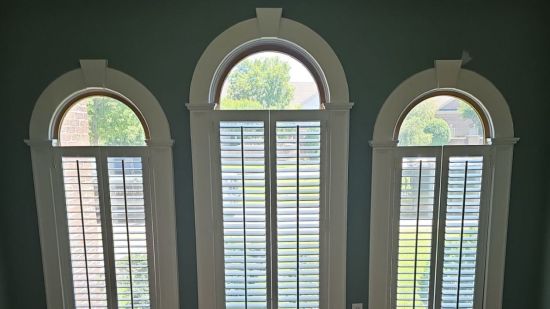
Windows play an important role in your home’s comfort, energy efficiency, appearance, and overall value. While quality windows can last for decades, they don't last forever. Over time, weather exposure, everyday wear and tear, and aging materials can affect how well your windows perform.
But how do you know when it's time to replace a window rather than simply repair it? Understanding the warning signs can help you avoid unnecessary energy costs, prevent further damage, and keep your home comfortable year-round.
Here are some of the most common signs that it may be time to replace your windows.
1. Your Windows Are Difficult to Open or Close
One of the most noticeable signs of an aging window is difficulty opening, closing, or locking it. Windows should operate smoothly without requiring excessive force.
If a window sticks, feels unusually heavy, or refuses to stay open, it may have damaged hardware, a warped frame, or structural issues. While some problems can be repaired, recurring operational issues may indicate that replacement is the better long-term solution.
Windows that don't lock properly can also create a home security concern.
2. You Notice Drafts or Temperature Changes
Do you feel cold air coming through your windows during the winter or warm air entering during the summer?
Drafts can indicate worn-out weatherstripping, deteriorating seals, or gaps around the window frame. These problems allow outside air to enter and conditioned air to escape.
As a result, your heating and cooling system has to work harder to maintain a comfortable indoor temperature.
Replacing older, inefficient windows with modern energy-efficient models can help reduce air leakage and improve indoor comfort.
3. Your Energy Bills Are Increasing
If your heating and cooling costs continue to rise, your windows may be part of the problem.
Older windows often lack the insulation technology found in today's energy-efficient products. Single-pane glass, deteriorating seals, and poorly insulated frames can contribute to unwanted heat transfer.
Newer windows may feature:
Double- or triple-pane glass.
Low-E (low-emissivity) coatings.
Argon or krypton gas between glass panes.
Improved weatherstripping and insulated frames.
These features help reduce heat transfer and can make it easier to maintain consistent indoor temperatures.
4. There Is Condensation Between the Glass Panes
Occasional condensation on the inside or outside surface of a window isn't necessarily a problem. However, moisture or fogging trapped between double- or triple-pane glass is a different story.
This usually means the insulated glass unit's seal has failed, allowing moisture to enter the space between the panes.
When this happens, the window loses some of its insulating performance and may develop persistent fogging or discoloration.
Depending on the window's design, replacing just the insulated glass unit may be possible. In other cases, replacing the entire window may be more practical.
5. Your Window Frames Are Rotting or Damaged
Window frames are constantly exposed to sunlight, rain, humidity, and changing temperatures. Over time, these conditions can cause certain materials to deteriorate.
Look for signs such as:
Soft or rotting wood.
Cracked or warped frames.
Peeling paint and damaged finishes.
Rust or corrosion on metal components.
Water stains or signs of moisture damage.
Minor cosmetic issues may be repairable, but extensive rot, structural damage, or recurring water intrusion often makes replacement the better option.
Addressing these problems early can also help prevent damage to surrounding walls and interior finishes.
6. Outside Noise Is Becoming More Noticeable
If you can hear traffic, neighborhood activity, or outdoor noise more clearly than you used to, your windows may not be providing adequate sound insulation.
Older single-pane windows and poorly sealed frames often allow more outside noise into the home.
Modern replacement windows with insulated glass and properly sealed frames can help reduce unwanted noise and create a quieter indoor environment.
While no window completely eliminates outside sound, upgrading can make a noticeable difference.
7. Your Windows Are More Than 20 Years Old
Age alone doesn't mean a window needs to be replaced. However, many residential windows begin showing noticeable signs of wear after 15 to 25 years, depending on their materials, installation quality, maintenance, and exposure to the elements.
If your windows are several decades old, it may be worth having them professionally evaluated.
Older windows may lack modern energy-efficiency features and could be approaching the end of their useful service life.
Rather than waiting for a complete failure, consider replacing windows that are consistently showing signs of deterioration.