Kristan Vermeulen, Founder, Makers of the USA
What inspired you to launch the Makers of the USA platform?
I’ve always been drawn to the people behind the product. I realized we were celebrating scale, speed, and mass production, but overlooking the makers, the craftsmen, the small business owners who are the backbone of our communities. Makers of the USA was born out of a desire to shift that narrative.
What does meaningful storytelling look like today?
It isn’t about volume, it’s about resonance. The brands that are breaking through are the ones willing to be specific, transparent, and human. It’s less about perfectly polished campaigns and more about real perspective, real people, real values. The best storytelling today makes you feel something and then gives you a reason to care.
What’s something people don’t see behind the scenes?
How much of this work is built on trust. People see the finished content, but they don’t see the late nights, the travel, or the dozens of conversations it takes to learn someone’s story.
What does “making waves” mean to you?
It’s about creating lasting impact. Sometimes the biggest waves are quiet ones—the story that inspires someone to start something, the brand that chooses to stay local, the consumer who decides to support a maker instead of a mass retailer.
Kelly Flagg, Executive Director, Associated General Contractors of Maine
What inspired your path to this role?
I started in the fitness industry on the business side in consulting, planning, and operations before entering construction through a family business. From there, I moved into HR for a large commercial construction company and fell in love with the complexity of the work and the people behind it. After stepping away when my son was young, I returned to leadership development during COVID. When this role opened, it brought together everything I care about—advocacy, training, and supporting the industry—so it felt like the right fit.
Construction is historically male-dominated. How have you navigated that?
I’ve seen a real shift over the past 20 years. Today, the industry needs people who are willing to show up, learn, and work hard. It matters less who you are. My biggest advice is to advocate for what you need. Earlier in my career, I didn’t always do that. Now I encourage others to speak up, because you don’t know what flexibility exists unless you ask.
What’s something people don’t see about your work?
The sheer amount of legislative advocacy. We track thousands of bills at the State House and identify hundreds that could impact construction. We provide testimony and feedback to help protect and support our members. It’s a huge effort that most people don’t realize is happening.
What’s been your biggest challenge?
Staying focused on what matters most for our members. There are so many opportunities and requests, but every decision has to come back to our mission: supporting Maine’s construction industry, promoting safety and craftsmanship, and helping businesses succeed.
What excites you about the future of the industry?
Workforce development. Through the Maine Construction Academy, we’re reaching students as they’re deciding their paths and showing them there’s a place for them in this industry. We’ve already worked with hundreds of students, and the long-term impact on families, businesses, and the state is incredibly exciting.
How has Maine shaped your perspective?
Maine is a community. Even competitors collaborate and support each other. That willingness to come together and solve problems is something I really value, and it’s a big part of what makes this work meaningful.
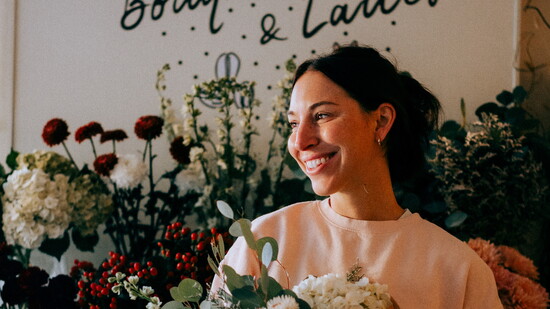
Charlee Charron, Founder, Rambler
What inspired you to start Rambler?
Like a lot of businesses, it started during COVID. I was working from home and going a little stir-crazy, and I knew other people felt the same. I saw someone selling flowers out of a vintage car and thought, that’s it. I bought a 1961 Ford Econoline sight unseen, turned it into a mobile flower bar, and started popping up around Portland. It was fun, but seasonal, so the idea of combining flowers with coffee came next. The cafe brings people in, and the flowers add something special.
How do you approach creating a feeling in your space?
There’s a sense of security people look for in public spaces now. I wanted it to feel warm, social, and a little European—less people on laptops, more people connecting. There’s a sense of comfort people are really craving right now. When you walk in and see the wall of flowers, it just feels good. It’s a little loud and lively, and very much about being present.
What role does ritual play at Rambler?
It’s everything. Deering Center has this small neighborhood feel, and Rambler has become part of people’s daily routines. Parents come in with their kids before school, neighbors stop by and chat. We know names, we know orders. We offer online ordering, but people would rather come in and have that interaction. That’s been really special to see.
What’s been your biggest challenge?
As a creative, it’s the administrative side—taxes, payroll, HR. Plus, we’re balancing coffee, flowers, and now food: trying to understand what sells, how much to order, how to grow sustainably. It’s a constant puzzle of making it all work without expanding too quickly.
What does “making waves” mean to you?
It’s about showing up for your community in small, meaningful ways. Whether it’s hosting a neighborhood cleanup or just creating a space that makes people feel good, it all adds up.
What’s next for Rambler?
We’re heading into our first full summer, adding outdoor seating, renting the space out for events, and building a coffee cart to bring Rambler beyond our walls.