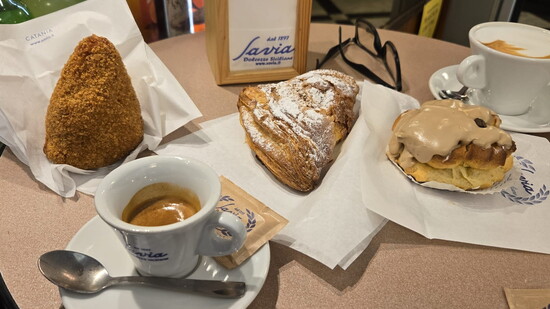
Ask an Italian to describe Italian food and you may get a surprising answer: there is no single “Italian cuisine.” Instead, Italy is a collection of regional traditions shaped by geography, agriculture and centuries of local history. Travel from the mountains of the north to the sun-drenched south and ingredients, pasta shapes, cheeses, wines and cooking techniques continually change. To truly experience Italy is to taste it—region by region.
Northern cooking favors butter, risotto, polenta, stuffed pasta and mountain cheeses, while Central Italy celebrates olive oil, grilled meats, beans, truffles and rustic simplicity. In the south, tomatoes, eggplant, citrus, seafood and dried pasta take center stage. Sicily adds centuries of Arab, Greek, Spanish and Norman influences. And no journey through Italy would be complete without its remarkable wines, from Piedmont’s Barolo and Tuscany’s Chianti to Veneto’s Prosecco and Sicily’s bold volcanic varieties, each reflecting the landscape and traditions of its region. The secret to eating well in Italy? Don’t simply ask what Italy is famous for—ask what this region, town or village is famous for.
Let Traveler’s Caffè take you there, with customized journeys filled with local recommendations, memorable food experiences and reservations at neighborhood favorites. Thoughtful travel planning is our specialty—and creating trips around the experiences and flavors you love is what we do best.
Pasta: A Shape for Every Sauce
TAGLIATELLE • ORECCHIETTE • TROFIE • PICI • BUCATINI
Pasta tells the story of Italy’s regions. In Emilia-Romagna, fresh egg tagliatelle accompanies rich ragù, while tortellini showcases the region’s filled-pasta tradition. Puglia is known for orecchiette, often served with broccoli rabe, while Liguria’s trofie is the perfect partner for Genovese pesto. Tuscany offers rustic, hand-rolled pici, and Rome gives us bucatini and iconic dishes such as carbonara, amatriciana, gricia and cacio e pepe. In Italy, pasta shape is never accidental—the right pasta complements the sauce.
Salumi: The Art of Curing
PROSCIUTTO • MORTADELLA • SPECK • FINOCCHIONA • ’NDUJA
Italy’s salumi are meats transformed through curing, aging, seasoning and smoking. Emilia-Romagna is home to Prosciutto di Parma and Bologna’s famous Mortadella, while Friuli-Venezia Giulia produces Prosciutto di San Daniele. Head into the Alps for smoky Speck, Tuscany for fennel-scented finocchiona, or Calabria for spicy, spreadable ’nduja. A tagliere di salumi with local bread and wine is a delicious introduction to any region.
Formaggi: Italy’s Cheese Map
PARMIGIANO • PECORINO • GORGONZOLA • BURRATA • TALEGGIO
Italy’s cheeses are deeply connected to their landscapes. Emilia-Romagna produces celebrated Parmigiano Reggiano, while Lombardy gives us Gorgonzola and Taleggio. Central and southern Italy are home to distinctive sheep’s-milk Pecorino cheeses, including Romano, Toscano and Sardo. Puglia’s burrata hides creamy stracciatella inside a delicate mozzarella pouch, while Campania is famous for buffalo-milk mozzarella. When traveling, ask for the formaggi locali.
Dolci: Italy’s Sweet Side
TIRAMISÙ • CANNOLI • SFOGLIATELLA • PANNA COTTA • CANTUCCI
Italy’s desserts are just as regional. Sicily tempts with cannoli, cassata and granita with brioche, while Campania offers flaky sfogliatelle and rum-soaked babà. Piedmont is celebrated for chocolate, hazelnuts and panna cotta; Veneto claims tiramisù; and Tuscany pairs almond cantucci with Vin Santo. Throughout Italy, artisan gelaterie turn seasonal ingredients into another irresistible tradition.