As a home care agency owner, I often sit down with families, and the conversation usually starts the same way: “We want Mom to stay home, but we’re just not sure if it’s safe anymore.”
When we think of "home design," we often focus on aesthetics, but it should be viewed through the lens of functional longevity. Adapting a home isn’t about making it look like a hospital; it’s about making subtle, smart changes that give your loved one the confidence to move freely while keeping your home beautiful.
If you are preparing to bring care into the home, here are several design-focused pointers to help you get started:
- The "Traffic Lane" Rule: Walk through your home and imagine navigating it with a walker. Is there at least a 32-to-36-inch clear path? We often suggest rearranging furniture to create wider spaces next to the bed and in the bathroom. This allows a loved one to pull a walker right up to their side, ensuring they have a "stable partner" for every transition from sitting to standing.
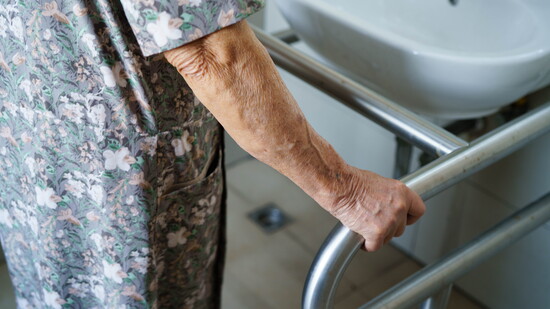
- Grab Bars for Seamless Support: Many families worry that grab bars will make their home feel "clinical,” but modern design has solved this. You can find high-end, brushed-gold or matte-black grab bars that look exactly like designer towel racks. When installed strategically—near the toilet and inside the shower entry—they provide essential stability without compromising your style.
- Shower Safety: Families often ask, "Do we need a full remodel?" Usually, the answer is no. A sturdy, professional-grade shower chair and a handheld showerhead can immediately make bathing safer and more relaxing.
- Elevated Comfort: One of the most common questions I get is about bathroom safety. A raised toilet seat is a game-changer for those with hip or knee pain. To keep the aesthetic seamless, look for "Comfort Height" toilets or discreet, integrated seat risers that blend into the existing fixture.
- Lighting is Your Best Friend: Dim hallways are a major fall risk. I always suggest adding LED motion-sensor lights along baseboards. They light up automatically for those middle-of-the-night trips to the bathroom without anyone having to fumble for a switch.
Modern technology allows us to add layers of safety that are almost invisible to the eye but offer immense peace of mind:
-
Fall-Detection Smartwatches: Devices like the Apple Watch or specialized medical alert watches (such as the MGMove) have built-in sensors that can detect a hard fall. If the wearer is unresponsive, the watch automatically calls emergency services and alerts family members.
- Traditional Medical Alerts: Systems like Life Alert remain a reliable gold standard. Modern versions now include mobile pendants with GPS, so help is just a button-press away, whether your loved one is in the garden or the grocery store.
- Ambient Fall Sensors: We now have "camera-free" sensors that use radar to detect a fall without infringing on privacy. These can be mounted discreetly on a wall and will automatically alert a care team if a fall occurs.
- Voice-Activated Assistants: Tools like Alexa or Google Home let a loved one turn on lights, adjust the thermostat, or even call for help with just their voice—keeping them safe and in control of their environment.
By making these thoughtful design choices today, you aren't just changing a house; you are building a safer, more supportive foundation for your loved one’s next chapter.
At Visiting Angels, we don’t expect you to have all the answers. When we begin working with a family, one of the first things we do is conduct a fall-prevention home safety assessment.
We’ve walked through hundreds of homes, and our goal is to ensure the home remains a place of comfort and joy while giving you the peace of mind that your loved one is in a safe, beautifully adapted environment.