Heating and air-conditioning systems are essential to home comfort, but they are also complex and expensive. Unfortunately, that can make homeowners vulnerable to dishonest practices by HVAC contractors. Some pressure customers into replacing entire systems when a simple repair would suffice, claim that parts are unavailable, or repeatedly upsell unnecessary services during routine visits.
By understanding common tactics and knowing how to protect yourself, you can make smarter decisions and avoid costly mistakes.
One of the most common red flags is being told that your system needs to be replaced because a specific part is “no longer available.” While this can sometimes be true, it is often exaggerated or false. Getting a second opinion is one of the most effective ways to avoid unnecessary system replacement. No Sweat Experts offers free second opinions and encourage this when estimates are over $800.
Another tactic to watch for is fear-based selling. Statements like “your system could fail at any moment” or “this is a safety hazard” are designed to create urgency and pressure. A reputable contractor will explain the issue clearly, show evidence (such as pictures, readings, or worn components), and discuss repair versus replacement options without pushing you toward the most expensive choice.
Unnecessary add-on services are another common issue. During a simple repair—such as replacing a capacitor or thermostat—some companies may recommend cleaning the blower motor/fan, chemical coil treatments, or duct cleaning. Some even go so far as to keep a picture of someone else's very dirty system handy to show every homeowner and claim they just took the picture.
While some add-ons can be beneficial, they are not required. You should ask what problem the add-on solves, whether it is essential now, and what would happen if you chose not to do it. If the explanation is vague or sounds like a sales pitch, it’s okay to decline. (As a side note, duct cleaning is generally never necessary.)
Know the age of your system and keep records of past repairs. In general, a system should last 15 to 18 years. Having baseline knowledge makes it harder for someone to mislead you. Research local HVAC companies before you need one, check reviews, and verify licensing.
Finally, remember that you are always allowed to say no. A trustworthy HVAC professional respects your decisions, answers questions patiently, and supports informed choices. By staying calm, asking questions, and seeking second opinions when something feels off, you can protect yourself from unnecessary expenses and ensure your HVAC systems are serviced honestly and responsibly.
Roy and Danielle Cook are the owners of No Sweat Experts and provide HVAC and electrical services throughout the DFW area. Their goal is to do the right thing for the customer—not their pocketbook—and earn lifelong customers. For more information, visit nosweatexperts.com.
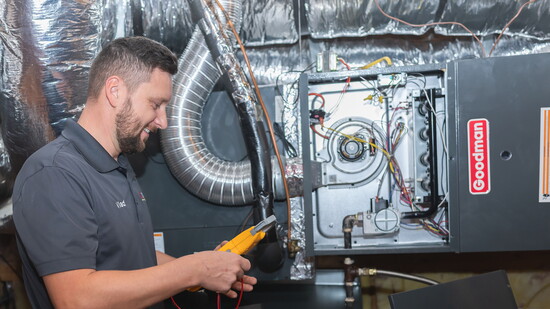
A trustworthy HVAC professional respects your decisions, answers questions patiently, and supports informed choices.