Protein has become a nutrition buzzword, but its role at mealtime is refreshingly simple: it helps create meals that feel substantial and satisfying. The good news is that building a protein-rich plate does not require elaborate recipes, specialty ingredients, or hours in the kitchen. A few thoughtful choices can turn familiar foods into meals that keep you fueled throughout the day.
The easiest place to begin is with the main protein. Think grilled chicken, salmon, shrimp, lean beef, turkey, eggs, Greek yogurt, cottage cheese, beans, lentils, tofu, or another favorite source. The goal is not to make protein the only thing on the plate, but to give the meal a satisfying foundation.
For breakfast, eggs or Greek yogurt can anchor a meal. At lunch, leftover chicken or tuna can transform a salad or grain bowl. At dinner, roasted salmon, lean steak, or beans can become the centerpiece of a plate.
Once the protein is chosen, add foods that bring color, texture, and flavor. A simple formula is protein plus vegetables, a satisfying carbohydrate, and a flavorful finishing touch.
Vegetables can be as easy as roasted broccoli, sliced tomatoes, a handful of greens, or frozen vegetables warmed in a skillet. For carbohydrates, consider roasted potatoes, brown rice, quinoa, whole-grain bread, or corn. These foods add substance and make the meal feel complete rather than restrictive.
Then add something that makes you genuinely want to eat it. A spoonful of pesto, a squeeze of lemon, fresh herbs, avocado, salsa, or a simple vinaigrette can transform basic ingredients into a meal you look forward to.
Protein-rich meals are not limited to traditional lunch and dinner. Breakfast and snacks are opportunities to add satisfying choices throughout the day.
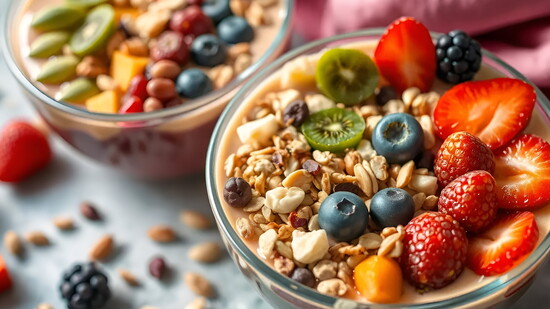
Try Greek yogurt topped with berries, nuts, and a sprinkle of granola; scrambled eggs with whole-grain toast and fruit; or cottage cheese paired with sliced peaches. A smoothie made with milk or yogurt, fruit, and nut butter can also provide a convenient option when mornings are busy.
For an afternoon snack, combine protein with another food you enjoy. Apple slices with peanut butter, vegetables with hummus, or cheese with whole-grain crackers can be simple, satisfying combinations.
Variety can also make protein-rich meals more enjoyable. Rotating between seafood, poultry, eggs, dairy, beans, lentils, and plant-based options keeps familiar meal formulas from becoming monotonous. It also gives you more opportunities to experiment with flavors and cuisines. A Mediterranean-inspired bowl, a taco-style plate, or a simple Asian-inspired stir-fry can all follow the same basic formula while tasting completely different. The structure stays simple; the possibilities remain wide.
Healthy eating becomes much easier when the refrigerator already contains ingredients that can become a meal. Keep a few convenient protein options on hand, such as hard-boiled eggs, rotisserie chicken, canned tuna or salmon, Greek yogurt, cottage cheese, beans, or frozen edamame.
Prepping a few ingredients once can also save time throughout the week. Cook a batch of chicken, roast a sheet pan of vegetables, prepare a grain, or wash and portion fresh produce. The goal is not to meal-prep every bite in advance. It is simply to make the next good choice easier.
One of the simplest ways to create satisfying meals is to stop thinking of leftovers as yesterday’s dinner. Roasted chicken can become a salad topping, taco filling, grain-bowl ingredient, or sandwich filling. Extra salmon can be flaked into greens with avocado and a bright dressing. Leftover vegetables can be folded into eggs or added to a warm bowl. This approach saves time while keeping meals from feeling repetitive.
A protein-rich meal should never feel like punishment. Season proteins generously and use sauces, herbs, spices, citrus, and other flavorful ingredients to keep meals interesting. Different seasonings can make the same basic ingredients feel completely different from one meal to the next.
Portion size can also be personalized. Appetite, activity level, and individual nutrition needs vary, so there is no single formula that works for everyone. Think of the plate as a flexible starting point rather than a strict set of rules. If a meal leaves you hungry, add a satisfying component. If you are comfortably full, you have found a balance that works for you.
Most importantly, choose foods you actually enjoy. The most sustainable approach to eating well is not perfection; it is creating meals that are nourishing, flavorful, convenient, and satisfying enough to become part of everyday life.
A balanced plate does not have to be complicated. Start with a protein you enjoy, add colorful produce, choose a carbohydrate that satisfies you, and finish with flavors that make the meal appealing. With that simple framework, building a better meal can become less of a chore and more of an easy, enjoyable habit.
“Start with protein, add color and flavor, and let simplicity do the rest.”