Wouldn’t it be great if we could go days without food effortlessly—using body fat for fuel with abundant physical energy, mental clarity, and no hunger or cravings? And on other days, eat plenty of carbs and calories without gaining excess body fat or increasing our risk of type 2 diabetes and heart disease?
This is metabolic flexibility— the ability to seamlessly switch between burning carbohydrates and burning fat (via ketones) for fuel. To achieve this, the body must first become fat-adapted—efficient at breaking down dietary fat and body fat into ketones for energy.
Most modern diets never truly restrict carbohydrates keeping insulin high—blocking access to body fat. Unlike our hunter-gatherer ancestors, we remain locked into glucose-burning mode. The liver plays a central double role, storing glucose as glycogen while also producing ketones from fat when carbs are scarce. An ultra-low carbohydrate phase is essential to rebuild this lost metabolic pathway—ketogenesis. Think of it like a hybrid car that only ever runs on gasoline and never taps into its battery. That backup system becomes useless unless it’s trained.
During this phase, focus on meat, poultry, fish, eggs, organ meats, raw dairy, avocados, coconut, olives, and low-starch vegetables—especially fermented foods like kimchi, sauerkraut, and pickles to support gut health. Intermittent and prolonged fasting further enhance this adaptability.
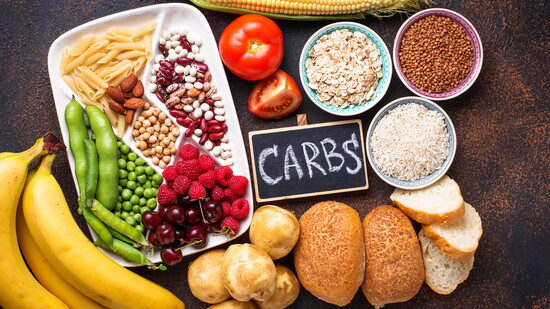
After 4–6 weeks, begin strategic “carb-ups” using whole, nutrient-dense carbohydrates such as potatoes, fruit, and starchy vegetables. Start with one day per week. After 2–4 weeks, increase to two days per week, spaced 3–5 days apart. Highly active individuals with strong insulin sensitivity may tolerate more frequent carb days. Timing carbs around exercise maximizes muscle growth, improves insulin sensitivity, and reinforces true metabolic flexibility—favoring fat as the primary fuel, with carbs used strategically rather than constantly.