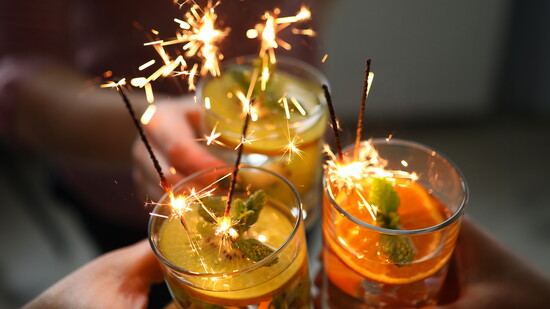
The first reported 'Dry January' (31 days intentionally without alcohol) was during 2008 by Frank Posillico in New York, whose dramatic weight loss and increased energy level was noted. Inspired marathon runner Emily Robinson started an international Dry January campaign when she joined Alcohol Concern in 2012. The idea is to reconsider and/or slow down alcohol consumption to reduce liver inflammation; improve sleep; boost immunity; achieve skin hydration; prevent type 2 diabetes.
Mocktails are popular selections for Dry January because they offer the flavor of cocktails without the alcohol. They can be a great way to explore new non-alcoholic drinks and enjoyed at any time of day.
Some people ask if it's OK to drink non-alcoholic beer during Dry January. Also called "NA beer" or "alcohol-free beer," it does tend to be in demand for many who participate in Dry January or who give up alcohol for Lent.
Health professionals indicate alcohol consumption has zero or little proven benefits. Because of this, deciding to go alcohol-free can be good for one's health. Non-alcoholic spirits have up to 90% fewer calories compared to their full-proof counterparts, so for weight management, mocktails can help reach New Year resolution goals.
According to online sources, in addition to the United Kingdom and United States, Dry January also is officially observed by people living in Switzerland, Germany, Norway, Iceland, France and the Netherlands.
What percentage of people stick with Dry January? A Sunnyside app study found that only 38% of participants who committed to being "fully dry" did not drink at all for the entire month. A 2024 CivicScience study found that 25% of American adults completed Dry January. Some research suggests even if participants don't complete the full month, the effort can still lead to positive long-term results.