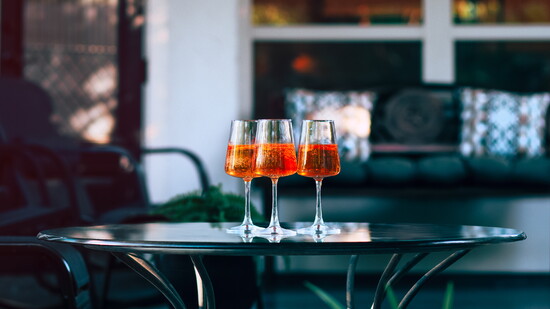
Gone are the days when hosting meant choosing between a cocktail or a club soda with lime. At Assemble Cocktail Workshop, owner and instructor Lillian Oler is redefining what it means to raise a glass, proving that a non-alcoholic drink can be every bit as complex, beautiful, and intentional as its boozy counterpart.
Since 2021, Oler has taught mixology classes that explore both traditional spirits and their teetotaling alternatives, refreshing her menus four times a year to keep pace with the latest trends and ingredient availability. It is a topic she takes seriously, attending seminars on the subject regularly to stay on the leading edge of what is possible, and every menu she builds includes a thoughtful non-alcoholic option from start to finish.
For Oler, the mission behind Assemble Cocktail Workshop has never really been about alcohol at all. Rather, “it’s about giving people a reason to get together,” she says. Inclusivity is one of the driving forces behind Oler’s passion for crafting drinks everyone can enjoy, regardless of what spirit they choose to imbibe.
The non-alcoholic beverage world has blossomed in recent years, branching into several distinct categories, each appealing to a different kind of drinker. Understanding those trends and what is available can help you decide what to bring into your own home bar. There is the functional beverage space, where ingredients like lion’s mane, magnesium, and hemp take center stage for those seeking a wellness boost alongside their sipping experience. Then there are the drinks designed to mimic classic spirits: non-alcoholic gins and tequilas, beers, and other alternatives that recreate familiar flavors, though these tend to be purchased by those who still drink alcohol rather than by those who prefer to avoid it altogether.
The third category is where Lillian’s real passion lives: inventive beverages crafted from teas, botanicals, and unexpected ingredients like ginger, mint, and gentian. These are the drinks that appeal to everyone, whether or not they drink alcohol. Vinegars are a particularly fascinating tool, whether infused with seasonal fruit like strawberries or paired with a carbonated or tea base to create layered, complex flavor profiles. Ginger is another ingredient that can be used to replicate some of the warming sensations alcohol provides, while roots and botanicals often found in bitters—especially glycerin-based varieties—are growing in popularity for the texture and depth they add. Verjuice, a juice made from grapes harvested before they ripen, is another favorite and makes a genuinely delicious addition to a drink. It can be used either as a flavorful modifier stirred into a carbonated or tea base, or as the foundation of a drink in its own right.
Making mocktails at home takes more thought than reaching for a bottle off the shelf, since bottled non-alcoholic mixers tend to oxidize and lose their flavor over time. “It’s not always about convenience,” she says. “A little intention can break the ice in ways convenience never could.”
So how can the average host bring that same freshness and thoughtfulness at home? Oler says to start with a simple question: “What is your situation, and how can you actually execute it?” She cautions that overcomplicating a mocktail is the fastest way to lose the plot. Instead, focus on taste, mouthfeel, and execution, and aim to keep the quality consistent with any alcoholic drinks being served as well, so that every guest feels equally considered.
Texture matters just as much as taste. A splash of ginger, a bit of carbonation, or a touch of glycerin can add all the complexity and body that alcohol typically provides. And because we taste with our eyes first, Oler emphasizes that presentation is not optional. Small, intentional details like mint frozen into ice cubes, dehydrated citrus wheels, or a delicate edible flower make a drink feel special before the first sip.
Portion size deserves just as much attention. A mocktail does not need to fill a pint glass to feel substantial, Oler says. A cute vintage coupe or classic cocktail glass keeps the presentation classy and on par with anything else being served for the occasion.
Ultimately, the objective isn’t to imitate a mocktail’s alcoholic cousin. “The goal,” Oler emphasizes, “is to create something fun, gorgeous, and entirely its own; a drink that reflects the occasion, the ingredients, and the person drinking it." So whether you are hosting a dinner party or simply exploring your own home bar, this philosophy offers a reminder that thoughtfulness—not ABV—is what makes a drink worth serving. With the right ingredients and a bit of creativity, anyone can shake up something worth toasting to, no proof required.
assemblecocktail.com | hello@assemblecocktail.com
“The goal is to create something fun, gorgeous, and entirely its own; a drink that reflects the occasion, the ingredients, and the person drinking it."