The idea of “healthy aging” has evolved far beyond simply adding years to life. Increasingly, researchers, physicians, fitness professionals, and nutrition experts focus on “healthspan,” the number of years people remain active, independent, and healthy as they age.
Interest in longevity has grown alongside global fascination with “blue zones,” regions where statistically high numbers of people live into their 90s and 100s. Researchers studying communities in Okinawa, Japan; Sardinia, Italy; Ikaria, Greece; Nicoya, Costa Rica; and Loma Linda, California, have identified common threads among long-lived populations: regular movement, plant-forward diets, strong social connections, purposeful living, and low levels of chronic disease.
Recent reviews published in The Gerontologist, Aging and Disease, and other journals examine the scientific validity and lifestyle patterns associated with blue zones, while emphasizing that longevity is influenced by a combination of environment, activity, nutrition, and preventive healthcare.
While Rochester and the Finger Lakes are far from a formal blue zone, local experts say the same principles can be applied close to home.
Fitness After 50: Building Strength for Longevity
For Austyn Affronti, owner of Affronti Fitness in Pittsford, longevity begins with strength. “Fitness and exercise is an opportunity to put our bodies in a controlled stress situation to make it more durable, more resilient, (and) tolerant to stresses we experience in real life,” he says.
Affronti opened his studio in 2011 with a specific focus on fitness for adults over 50. Rather than emphasizing aesthetics or intense gym culture, Affronti Fitness centers on functional movement, injury prevention, and helping older adults maintain independence and mobility.
“Before 50, you can get away with a lot more,” Affronti explains. “After 50, your hormones function less efficiently, you recover from injury slower, you may generally move less in life. Lifestyle tends to be different than in your 20s and 30s, so you need to be more disciplined, more strategic in how you work out.”
His philosophy strongly emphasizes weight training as people age. “Muscle is the secret weapon,” he says. “It supports our metabolism, keeps our skin tight, helps our bodies function and function well, helps our hormones, and protects joints from injury. Your muscle is your suit of armor.”
Affronti compares resistance training to preparing the body for everyday life. Rather than spending hours repeating motions on cardio equipment, he encourages movements that mimic real-world actions—lifting, carrying, balancing, and reaching. “Train the body, train the muscles, then function and form will be better,” he says.
Recent research supports that approach. A 2026 study published in the Journal of the American College of Cardiology found that maintaining fitness in midlife was associated with both longer lifespan and longer “healthspan,” delaying chronic illnesses such as cardiovascular disease and cancer.
Affronti also stresses what he calls the “mind-muscle connection,” explaining, “You shouldn’t just go through the motions. You should lift with intention. Focus on the muscles you want to strengthen.”
At Affronti Fitness, clients begin with the studio’s “Learn to Live” and “Learn to Lift” programs, designed to help participants understand how their bodies move and how to train safely and effectively. “By slowing down execution, focusing on timing to work the muscles, you’ll reduce the risk of injury,” he explains.
His advice for adults over 50 is to not be afraid of resistance training, saying, “If you’re not using heavy enough weight, the body won’t adjust and build the muscle. Don’t be afraid to push yourself.”
Importantly, he notes that men and women benefit from the same foundational approach, saying, “We’re all human, making the same real-life movements. You should be training your body similarly, just adjusting weights according to ability.”
Nutrition and Healthy Aging
While exercise helps maintain strength and mobility, nutrition is equally essential to healthy aging. According to Rochester-based Registered Dietician Eileen Blakely, older adults often require fewer calories overall but greater nutritional value from the foods they consume. “Eat a variety of foods and make every bite count,” she advises.
A major concern with aging is muscle loss, and Blakely notes that protein intake becomes increasingly important after age 50. She explains that maintaining muscle mass is essential for strength, mobility, and independence, and encourages older adults to spread high-quality protein sources throughout the day rather than relying on a single large meal. “Maintaining muscle mass is crucial for strength, mobility, and independence,” Blakely says, adding that consistent protein intake can help counter age-related muscle loss.
Blakely says older adults also should be mindful of their hydration for essential body functions. “Aging can put you at increased risk for dehydration,” which then inhibits many essential physiological functions in the human body, including temperature regulation, nutrient and oxygen transportation, digestion, organs, joints, and tissue protection, even maintaining overall cellular health. According to Berkeley Medical Center, since the human body is about 70% water, it’s involved in nearly every bodily function—hence why water is often referred to as “the elixir of life.”
Experts suggest maintaining consistent water intake through both drinks and water-rich foods every day. Increase intake when exercising or doing strenuous activities (hydrate before, during, and after such activity for best regulation), in hot weather, and if you have or are prone to certain health conditions, such as kidney stones, UTIs, and other similar health issues that require increased water intake.
Blakely also emphasizes the social side of nutrition, another theme frequently observed in blue zone communities. “Maintain a regular eating schedule and eat with others, if possible,” she advises. Research by the National Institutes of Health, Oxford Academic, among others, connect eating with others with better nutrition and overall health, including mental health improvements, increased self-care, deepened identity and sense of belonging and purpose, stronger social ties, higher life satisfaction, and potentially significant extended healthspan.
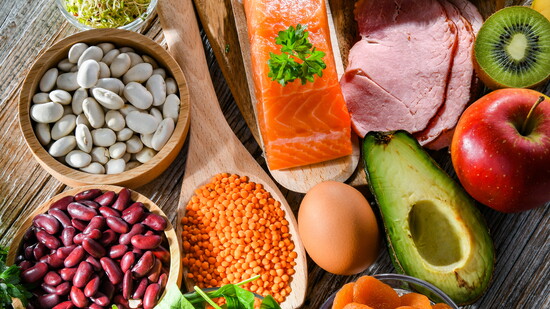
Many blue zone dietary patterns rely heavily on legumes, vegetables, whole grains, olive oil, nuts, and seafood while limiting heavily processed foods and excess sugar. Recent nutritional reviews highlight the potential role of polyphenol-rich foods, including leafy greens, beans, fruits, olive oil, teas, and herbs, in supporting healthy aging and reducing inflammation.
Personalized Medicine and Intentional Longevity
Beyond consistent fitness and nutrition, personalized medical care can help tailor prevention, early detection, and treatment strategies to each individual as they age. Physicians across the country are beginning to shift to more personalized, individual care. Rochester-based internist Dr. Robert Caifano, says healthy aging depends on time, prevention, and individualized care, adding, “I believe your health is a multifaceted lifelong journey, not a single destination. To enjoy the view along the way, you must be willing to take the hike.”
Caifano is shifting his practice toward personalized medicine, a model designed to allow physicians significantly more time with patients than traditional primary care typically permits. He notes that while primary care remains “a very special calling,” modern healthcare systems often restrict appointment time due to staffing shortages, insurance structures, and high patient volumes.
There’s a growing demand for comprehensive diagnostics, preventive care, and stronger physician-patient relationships. That emphasis on prevention aligns closely with emerging longevity research. Scientists studying aging increasingly focus on reducing chronic inflammation, preserving mobility and cognition, and identifying risk factors before serious illness develops.
Wellness as a Lifelong Practice
While there may be no single formula for longevity, experts increasingly agree on several core principles: move consistently, maintain muscle strength, eat nutrient-dense foods, stay socially connected, and prioritize preventative healthcare.
The lessons emerging from blue zone research point toward daily habits that collectively support healthier aging. For local professionals like Affronti, Blakely, and Caifano, wellness after 50 is not about chasing youth but more about preserving quality of life. The goal is not simply to live longer, but to live better longer.
"Fitness and exercise is an opportunity to put our bodies in a controlled stress situation to make it more durable, more resilient, tolerant to stresses we experience in real life.”