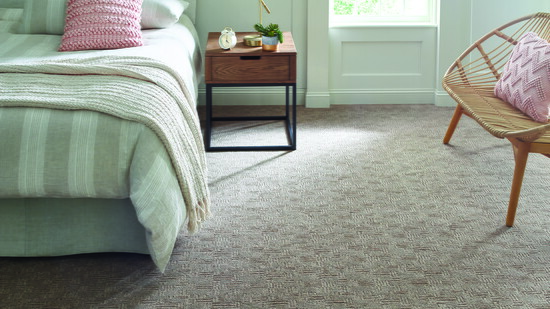
As 2026 approaches, flooring trends are circling back to ideas that once felt traditional. According to Sheel Malaviya, franchise owner of Floor Coverings International, which serves homeowners across the South Twin Cities area, homeowners are leaning into character, texture, and thoughtful coordination across rooms.
“Carpet is a great example,” Sheel says. “Most people know cut-loop or Berber, but patterned carpet is really coming back.” These designs range from geometric to abstract, adding visual interest without overpowering a space. Patterned carpet, once reserved for formal rooms, is now finding its way into everyday living areas.
Another approach gaining traction is mixing carpet styles while keeping color consistent. “You might use cut-loop in a family room, Berber in a sunroom, and a patterned carpet nearby,” Sheel explains. “You get different textures, but everything still feels connected.”
Laminate’s Second Act
Laminate flooring has also found renewed appreciation. Years ago, it carried a reputation that turned some homeowners away. Today’s options tell a different story.
“That entire category has been reinvented,” Sheel says. “Laminate is now one of the most scratch-resistant surfaces out there.” Manufacturers have added texture and depth, giving laminate a more natural, wood-like feel than earlier versions.
This shift has caught the attention of pet owners and parents alike. Floors that can handle toy trucks, dragged chairs, and busy paws are high on many wish lists. “People who once dismissed laminate are taking another look,” Sheel notes.
Thinking Beyond the Price Tag
Luxury vinyl remains popular, but Sheel encourages homeowners to pause before choosing the lowest-priced option. "I spend time helping people understand what they're actually getting, not just price, but performance, durability, and how it fits their lifestyle. Once people see the full picture, they usually feel confident about what to choose,” shared Sheel.
Flooring affects how a home functions day to day. While budget-friendly choices make sense at times, many homeowners are reassessing long-term value. A recent article in This Old House suggests that 61% of homeowners plan to borrow money for home renovations. And carpets are one of the many renovations that can be financed. “It’s not just about what it costs today,” Sheel adds. “It’s about how it performs year after year.”
Making Floors Last Longer
Not ready to replace your floors? Good care habits can stretch their lifespan.
For carpet, regular vacuuming matters more than many realize. “Not vacuuming is the number one reason carpets wear out,” Sheel says. Dust and grit break down fibers over time. Robotic vacuums can help with daily upkeep, while spills should be blotted quickly. Time works against stains, so fast action helps. Always test cleaners in a hidden area and follow manufacturer guidelines. Use caution with very high-suction vacuums, as some carpets may not be covered under warranty if damaged.
Hard surfaces like laminate and luxury vinyl require a lighter touch. A damp cloth often does the job. Skip steam and harsh chemicals, and avoid bleach altogether. Natural cleaners usually handle messes well, and manufacturer websites offer specific guidance for tougher stains.
Hardwood floors benefit from realistic expectations. Scratches happen. Protective finishes help, but chemicals can wear them down. Products made specifically for wood floors are best. Sheel also points out a simple trick many homeowners overlook: “There are fillers, markers, and pens that can blend scratches surprisingly well.”
Humidity plays a role, too. Hardwood expands and contracts with seasonal changes. In Minnesota, keeping indoor humidity around 30–40% can reduce gaps and buckling. A central humidifier may be a small addition that pays off over time.
As trends evolve and care habits improve, one thing remains true: the right flooring choice, and how you treat it, shapes how a home feels for years to come.