On any given Saturday at the Rochester Public Market, thousands of pounds of fresh produce change hands in a matter of hours. What most shoppers never see is what happens after the crowds disperse, when crates of unsold fruits and vegetables, otherwise destined for landfills, become a lifeline for people facing food insecurity across the region. For a decade now, that transformation has been the mission of Flower City Pickers (FCP), according to the organization’s Amy Crosier.
Founded in 2015 by a small group concerned about homelessness and Rochester’s growing food insecurity, Flower City Pickers has grown into a “small but mighty” volunteer-powered organization committed to waste prevention and equitable food access. What began under a couple of tents and a donated old school bus has become a permanent operation on the Public Market grounds, thanks to grants from the New York State Department of Environmental Conservation, the United Way Community Crisis Fund, the Rochester Monroe Anti-Poverty Initiative, and longtime support from FIFCO (Genesee Brewery) and the City of Rochester.
Unlike many food recovery groups that rely on shelf-stable donations, FCP focuses on produce, an especially time-sensitive, weather-sensitive resource at the Rochester Public Market, where farmers, wholesalers, and prepared food vendors can generate more than 30,000 pounds of waste each week. Crosier says, “Our mission is time sensitive and somewhat more nuanced than [other] organizations. Produce needs to get to its intended location in a timely way, especially given the changeable nature of Rochester weather.”
Flower City Pickers’ mission is to recover safe, usable fruits and vegetables and redistribute them to neighbors who need them. Essentially, FCP works to divert quality food from landfills and deliver it to soup kitchens, food pantries, homeless shelters, neighborhood groups, libraries, and faith communities. In the organization’s first five years, volunteers intercepted and redirected more than one million pounds of food, and the organization has been growing its network ever since.
Building a Network of Giving
Flower City Pickers has cultivated relationships with more than 30 Rochester Public Market vendors and additional donors including Lori’s Natural Foods, Abundance Food Co-op, Whole Foods, and Panera. More than 20 receiving agencies across Monroe County rely on FCP for fresh produce each week (and the group welcomes new partners of any size).
Distribution is intentional and efficient. Volunteers sort food into three categories: Grade A (“Astonishing”) for shelters and agencies needing longer shelf-life produce for human consumption, Grade L (“Livestock”) for farmers feeding chickens, goats, pigs, ducks, geese, and school pets, and Grade C (“Compost”) for materials that can nourish soil.
When contracted composting services fall through, local animal farmers help fill the gap, (FCP now actively seeks farmers who want scraps for their flocks, Crosier says).
Overcoming Challenges and Growing Ambitions
The construction of their permanent building at the Public Market gives volunteers a warmer, safer environment for food recovery and cements FCP’s place in the city’s sustainability landscape.
However, Crosier says, challenges remain: Late summer and late winter bring shrinking market volume, scarce college volunteers, and unpredictable available produce. Some weeks yield enough variety to serve every partner organization; other weeks bring leaner offerings or surges of a single item (like 1,000 pounds of tomato or weeks of overabundant collard greens, Crosier reflects).
COVID-19 brought upheaval but also unexpected strength, as FCP built a stronger volunteer network. Crosier explains that for about a year, FCP accepted and redistributed everything from eggs and milk to an entire truckload of watermelons, highlighting its role in Rochester’s food safety net.
Crosier says FCP aims to strengthen partnerships with grocery stores to ensure a steadier winter supply, expand weekday operations, and establish a more consistent core volunteer team. Social media and administrative tasks remain under-resourced, and the organization hopes the community can help spread the word.
Powered by Volunteers
Crosier commends Jim Farr, Public Market director, residents Tricia and Paul Banks (key contributors during FCP’s early days), and Charles Simmons, who has been with FCP since its inception and served as executive director from 2019 to 2022.
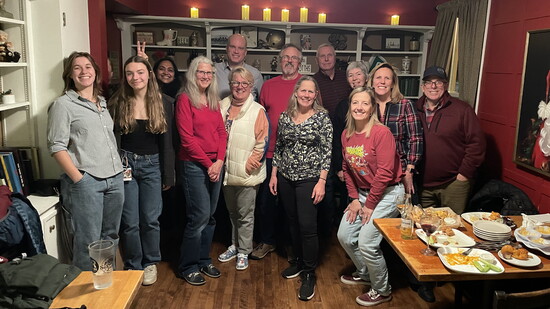
Led today by Executive Director Scott Crosier, Assistant Executive Director Heather Doughtery, Treasurer Pam Mitchell, and Secretary Amy Crosier, FCP’s impact is the direct result of volunteer commitment. The team collects, sorts, and redistributes recovered food on public market days year-round. With no paid staff and the eight current board members rotating leadership at the market each week, the work is both rewarding and demanding. Crosier says they welcome community members interested in volunteering, donating, and/or promoting their mission.
Lori’s Natural Foods, for instance, has been integral to FCP’s weekly donations and special projects, such as FCP’s collaboration with Rochester City School #22 and its Healthy Families initiative over the past three years. FCP hopes to connect with more community organizations and businesses.
Flower City Pickers invites volunteers, donors, and local organizations to join their mission: Volunteer at the Public Market on sorting and distribution days, donate funds or supplies to support operations, spread the word through social media and community networks, or become a receiving agency, no 501(c)(3) required.
Flower City Pickers’ volunteers show up week after week, quietly ensuring that Rochester’s abundance ends up in neighbors’ hands rather than landfills. By enriching other hunger relief agencies and supporting local farms, Flower City Pickers has built a platform for waste prevention and civic engagement that continues to grow.
Sidebar: For more information about Flower City Pickers, visit https://flowercitypickers.org.