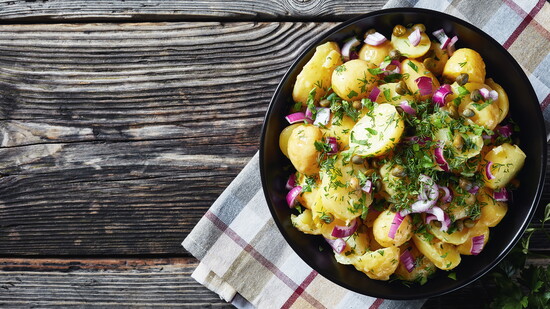
November is when we enjoy cooking and eating the humble potatoe. In southern Arizona, potatoes are a cool-season crop. The main challenge is getting a harvest before the heat arrives: tubers stop forming once soil temperatures stay above about 80°F, and that happens quickly in May. So the best varieties are early-to-mid-season types that mature in roughly 70 to 100 days.
Best Varieties for the Low Desert
- Red La Soda is the classic desert potato. It's heat-tolerant, productive, and widely recommended for Arizona.
- Red Pontiac is a reliable red that also handles warm conditions well.
- Yukon Gold is early-maturing and versatile in the kitchen. It sizes up before the heat if you plant on time.
- Kennebec is a dependable white potato and somewhat tolerant of stress.
- Désirée is a red-skinned, yellow-fleshed potato with decent drought and heat tolerance.
- Fingerlings such as Russian Banana and French Fingerling work well because the plants are compact and you can harvest the tubers small.
Avoid long-season russets like Russet Burbank. They usually run out of cool weather before the tubers bulk up.
Steps to Grow Them Successfully
- Time the planting right. In Tucson, plant from mid-January through February, once the hardest frosts are mostly past. In Phoenix and lower elevations, a second window in late August through September can give a late-fall harvest. The goal is to harvest by early-to-mid May.
- Use certified seed potatoes. Grocery store potatoes are often treated with sprout inhibitors and can carry disease. Local nurseries and feed stores usually stock seed potatoes in January.
- Pre-sprout and cut. About two weeks before planting, set the seed potatoes in a bright, cool spot so short, sturdy sprouts form. This is called "chitting." Cut larger potatoes into egg-sized pieces with at least two eyes each, then let the cut surfaces dry for one to two days before planting.
- Fix the soil. This is the biggest hurdle in southern Arizona. Potatoes want loose, rich, slightly acidic soil. Our native soil is alkaline, heavy, and often sits on caliche. Raised beds, large grow bags (10–20 gallon), or deeply amended beds work much better. Mix in plenty of finished compost, and optionally some soil sulfur. Avoid fresh manure, because it encourages potato scab, which alkaline soil already favors.
- Plant. Set the pieces cut-side down about 4 inches deep and 10 to 12 inches apart, with rows 2 to 3 feet apart. In grow bags, three or four pieces per 15-gallon bag is about right.
- Hill as they grow. When the plants reach 6 to 8 inches tall, mound soil, compost, or straw around the stems, leaving the top few inches of leaves exposed. Repeat every couple of weeks. Tubers form along the buried stem, and hilling keeps them out of the sun so they don't turn green.
- Water consistently and mulch heavily. Drip irrigation is ideal. Keep the soil evenly moist but never soggy. Big swings between dry and wet cause knobby or cracked tubers. A thick layer of straw mulch holds moisture and, just as important, keeps the soil cool as spring warms up.
- Feed lightly. A balanced or lower-nitrogen fertilizer at planting, plus a side-dressing when you first hill, is plenty. Too much nitrogen gives you lush leaves and few potatoes.
- Protect from both extremes. Cover emerged plants with frost cloth on cold February nights. In late April, 30–40% shade cloth can buy you a couple of extra weeks of tuber growth.
- Watch for pests. Flea beetles and aphids are the usual problems. Early blight can show up as brown, target-like spots on the leaves. Good airflow and watering at the base rather than overhead help prevent it.
- Harvest. You can dig a few "new potatoes" gently once the plants flower. For the full harvest, wait until the foliage yellows and dies back, or until the heat clearly stalls the plants. Stop watering a week or two beforehand so the skins toughen.
- Cure and store. Let the potatoes cure for one to two weeks somewhere dark, dry, and as cool as you can manage. A closet in an air-conditioned room is often the best option in a Tucson May. Then store them in the dark, away from onions. Garages get too hot by late spring.
If you'd like a potato-like crop for the summer months, sweet potatoes are the desert-friendly answer. They're a completely different plant that loves the heat. You plant slips in April or May and harvest in fall.