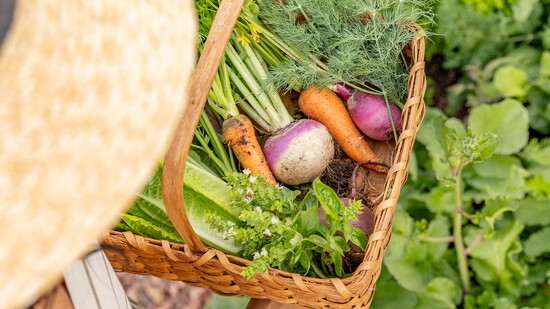
As people who try to grow their own food in their Ahwatukee backyards often discover, the intense summer temperatures can make gardening incredibly challenging.
But as Anessa York, a successful home gardener notes, with the right planning, preparation and products, it is very possible to grow your very own food farm – even when the Mercury climbs into the triple digits.
“I’ve been very focused on year-round desert gardening for the past 4 years and my passion keeps growing!” York says.
“I started with a single 20-foot raised bed in the backyard, and it’s grown into a little ‘food farm’ with four raised beds, right outside my home office door.”
York graciously agreed to answer our questions about everything Ahwatukee gardeners need to know to be a successful gardener, even during the dog days of summer.
Q: For someone who is new to gardening in the Valley, what is the best way to get started?
A: The biggest thing I tell people is to start small. You don’t need a huge garden to grow real food – one raised bed or a few containers are plenty to learn what works in your space. Healthy soil is everything here. Our native soil is hard and alkaline, so adding compost makes all the difference.
Also, pay close attention to sunlight. Most veggies need lots of it, but during our brutal summers, even sun-lovers appreciate shade. This summer I had 70% shade cloth covering my garden beds and it allowed my veggies to thrive, even in this heat!
Q: When should we grow certain types of fruits, vegetables and herbs for the best results?
A: In the spring, you can grow tomatoes, peppers, eggplant, melons, Armenian cucumbers, beans, squash, zucchini, basil, dill, parsley and cilantro.
In the summer, I grow peppers, sweet potatoes, yardlong beans, more melons and Armenian cucumber, and basil, rosemary and thyme continue to do well, with some shade.
Between late September and November, I will grow even more Armenian cucumbers, leafy greens like lettuce, spinach and bok choy, root crops like carrots, beets, radishes and parsnips, and basil, cilantro, parsley, chives and dill.
In the winter, your leafy greens will continue to grow, along with your root crops. You can also grow leeks, onions and garlic and the same herbs you grew in the fall.
Some crops, like citrus, figs, and many perennial herbs, can thrive year-round with proper care.
Q: How can we plan our garden based on the seasons?
A: Timing is everything in desert gardening. My favorite guide is the Low Desert Planting and Harvest Calendar that you can download from UrbanFarm.org. This calendar has been created with our very specific low desert climate in mind and outlines every two weeks what you can plant by seed, transplant or harvest. When you master the timing, your garden really responds.
Q: What about the crazy heat in the summer? Will plants actually grow then?
A: Our summers will test any gardener, which is why timing is key, along with shade! Early morning or late evening watering is best, so the water actually has time to soak in without either evaporating or acting as a magnifying glass for the sun to affect your plants.
I use drip tape to deep water my beds and it’s installed in rows so that there isn’t a dry patch in my garden beds. If you are watering by hand, deep watering every few days works far better than quick daily sprinkles. Shade cloth and mulch are your best friends in our summer, as they both protect the roots and keep everything from frying.
Q: What are some of your favorite resources and local nurseries?
A: In addition to Urban Farm, I also love what the University of Arizona Cooperative Extension ( Extension.Arizona.Edu/Topics/Urban-Horticulture) puts out for urban gardening and horticulture – it’s super practical and science‑based. As for local nurseries, I really love Arizona Worm Farm and Green Life By Shamus O’Leary.
Q: What advice do you have for people who feel like they will never have a green thumb?
A: If you haven’t killed a few plants, you’re not gardening yet. It’s part of the process. The desert can feel unforgiving at first, but once you learn the timing and watering rhythm, it’s actually one of the most productive climates to grow in, with multiple seasons. Start small, celebrate the wins, and keep experimenting – that’s the fun of it. And don’t forget to put a comfy stool in your garden, when shaded it’s a lovely place to sit and watch the bees and butterflies make magic happen as your garden blooms and grows.
Follow York on Instagram @FreshFromRedmon
The biggest thing I tell people is to start small.
Early morning or late evening watering is best, so the water actually has time to soak in without either evaporating or acting as a magnifying glass for the sun to affect your plants.
Shade cloth and mulch are your best friends in our summer, as they both protect the roots and keep everything from frying.