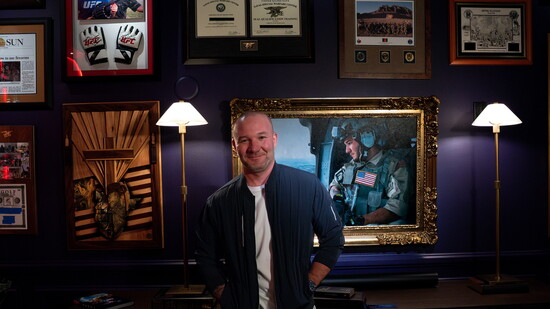
Shawn Ryan, a former Navy SEAL and CIA contractor, has traded covert operations for candid conversations as the host of The Shawn Ryan Show, a podcast known for unfiltered interviews with military veterans, intelligence professionals, and public figures. With a growing audience, the podcast was number one in the world on Spotify. Ryan has become a powerful voice bridging the gap between the military community and the public.
Your journey began in the Navy. What inspired you to enlist, and how did your time in service shape the person you are today?
My journey into the Navy started when I was just a kid. I grew up watching movies about special forces and all that, but honestly, it was this deep pull to do something bigger than myself. I wanted to test my limits and serve my country. And I wanted to make my parents proud. I enlisted right out of high school at 18 with no real plan B. I just knew I wanted to be a SEAL. My time in service taught me discipline, how to push through self-imposed limits, and probably most importantly, the value of brotherhood. Because of that, I’m more focused on what matters.
Looking back at your military career, what are some of the most meaningful or challenging moments that still stand out to you?
The ones that stick out are the ops where everything was on the line, like those nights in Iraq or Afghanistan where we had to rely on each other to make it out alive. When I think about the brothers we lost, the close calls…these challenges still haunt me. Those experiences can build you up but they build up scar tissue too. They remind me every day why I do what I do now.
Transitioning from military to civilian life can be difficult for many veterans. What was that experience like for you?
I left the Teams because I wasn't getting the action I signed up for anymore, and honestly, the long-term toll on relationships and mental health was wearing me down. Coming back to civilian life felt like landing on another planet. No structure, no mission, just figuring out how to fit in. I struggled quite a bit, made some terrible choices, and hit rock bottom with some dark thoughts. A good therapist helped turn things around for me. I was able to process the chaos.
You’ve built a strong following through your podcast. What motivated you to start it, and how has storytelling become part of your mission?
It sort of evolved from my work teaching tactics and shooting. I wanted a platform to dive deep into real conversations, not the surface-level nonsense you find on traditional media. Motivation came from seeing how many untold stories were out there from vets, operators, and everyday heroes. Helping others share their stories is my mission now because it connects people, heals wounds, and shines a light on the truth. It's about getting those raw experiences out there so others don't feel alone.
Your platform often highlights the experiences of other veterans. Why is giving them a voice so important to you?
Giving veterans a voice is everything to me. My generation’s veterans gave their best years for our country, and society can be quick to forget or misunderstand. I let them tell their stories about war, the VA messes, and mental struggles because it really helps them process it and also educates everyone else. Their voices help us move the needle on important issues. These firsthand accounts from people who were actually there paint a more complete picture than the quick soundbites we hear from the legacy media. I think that’s how we get real and necessary change.
What values or disciplines from your time in the Navy do you still apply to your work and life today?
Discipline tops the list. I’m able to stay consistent and focus on my new mission of sharing stories to effect change. I don’t make excuses, and I own it when I get something wrong. Teamwork is right up there too. I apply that to my team on the show, trusting them like I did my platoon. It's really all about preparation, focus, and never quitting. This is the culture that my team and I hold each other accountable to. My time as a SEAL seared that into who I am today.
Mental health and resilience are frequent topics among veterans. How do you personally navigate those challenges, and how do you support others through them?
I've been open about my own battles with PTSD and the lows after combat. I navigated it with therapy, staying active, and ultimately finding my faith in Jesus Christ. Psychedelics have been game-changers for some, including me. I credit ibogaine with my sobriety. I haven’t touched alcohol in nearly four years. I’ve seen many other people come through the other side of darkness through psychedelic treatment as well. I’m able to support others through the podcast, sharing resources, and just listening. Veterans need to know it's okay to seek help; building resilience is about community and helping others find the resources they need.
The world of podcasting and media is far removed from the battlefield. What skills from your military background helped you succeed in this new space?
Podcasting's a whole different world from war, no doubt. But skills like preparation, processing an intel dump before an op, translate to finding great guests. Active listening from debriefs helps me draw out untold stories. I have to give a lot of credit to my therapist for helping me to live more in the moment and actively listen to my guests. Discipline keeps the show consistent. I also think that maintaining an operator mindset really makes a difference. It's about adapting, staying calm under pressure, whether it's tech glitches or tough conversations. My time in the Navy taught me to execute, and I attribute much of what I learned there to my success in this industry.
@shawnryanshow
"My time in service taught me discipline, how to push through self-imposed limits, and probably most importantly, the value of brotherhood."
"Giving veterans a voice is everything to me. I’m able to support others through the podcast, sharing resources, and just listening."