Recent headlines about a multistate outbreak of cyclosporiasis linked to iceberg lettuce have given many of us reason to pause and ask: Where does our food come from?
When we grow lettuce, tomatoes, herbs, peppers, cucumbers, or other vegetables, we know where they came from and can take an active role in how they are grown, harvested, and prepared. Homegrown produce still requires safe practices, including clean water, healthy soil, clean hands and tools, and appropriate washing. But growing food can change our relationship with it.
There is something healing about stepping into a garden. The scent of fresh herbs, vibrant colors, and quiet rhythm of tending the soil remind us that nature is one of our greatest teachers. Gardening is more than a hobby; it is a living expression of Lifestyle Medicine and a reminder that health flourishes when nurtured with intention.
The Garden for Life series was born from a simple truth for our long-term health: the healthiest lives are cultivated, not rushed.
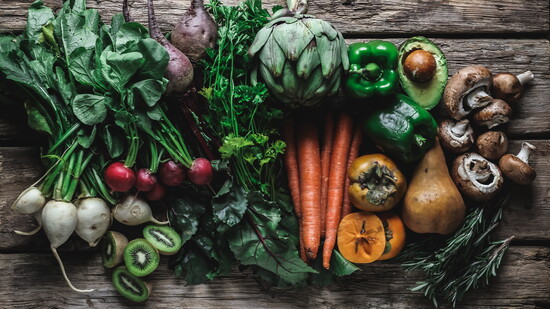
When we harvest tomatoes or gather fresh basil for dinner, we are reminded that food is more than fuel. It is nourishment, medicine, and connection. Growing even a small portion of our own food encourages us to eat more vegetables and build meals around fresh, colorful, minimally processed ingredients.
Gardening also changes how we think about food. Planting and nurturing a seed creates a deeper appreciation for the time and effort involved in producing what we eat.
Beyond the plate, gardening is movement.
Digging, planting, weeding, watering, pruning, and harvesting keep the body active in purposeful ways. Movement becomes part of something meaningful rather than another task.
Perhaps one of the garden’s greatest gifts is peace.
In today’s fast-paced world, stress can feel unavoidable. Yet the garden asks nothing more than our presence. Watching butterflies, listening to birds, or noticing a new blossom creates moments of mindfulness that invite us to slow down.
A seed does not become a harvest overnight. Growth happens quietly, often long before we see the results. That lesson is remarkably relevant to our health. We live in a culture that promises rapid transformation, but meaningful health rarely works that way.
Health is cultivated.
The garden also teaches resilience. Not every seed germinates or plant survives, yet gardeners continue planting.
Our health journeys are much the same. There will be days when we miss a workout, choose the less nutritious meal, or lose motivation. The goal is not perfection, but returning to the garden—to keep planting, tending, adjusting, and growing.
Gardens also bring people together. Friends exchange recipes, neighbors share produce, and families gather around meals made from the harvest. These connections strengthen relationships.
You do not need acres of land to begin. A few herbs in a container, a raised bed, tomatoes in pots, or a sunny windowsill can become the beginning of something meaningful.
You do not have to grow everything. Just grow something.
The Garden for Life series is ultimately about more than vegetables. It is about cultivating a life rooted in wellness:
Growing Food. Growing Health. Growing Community.
When we grow food, we become more connected to what we eat. When we nourish ourselves with wholesome foods and healthy habits, we strengthen our health and communities.
Imagine if we treated our bodies the way we treat a garden we value. We would nourish them, keep them moving, allow time to rest, and appreciate gradual growth rather than demand overnight transformation.
Nature has never hurried a harvest, yet season after season, it produces what it was designed to grow.
Our health follows much the same principle. Whether you are planting your first tomato, tending a backyard garden, or simply choosing a fresh, colorful meal, every positive decision is another seed planted for the future.
Tend your garden with care. Tend your health with the same devotion. In time, both can reward you with a harvest beyond measure.
Garden for Life classes begin in January. Check our website or follow us on Facebook.
Just as a gardener prepares the soil before planting seeds, we prepare our bodies and minds through daily habits that support long-term wellness. Every healthy meal, every walk outdoors, every restful night of sleep, every moment spent managing stress, and every meaningful conversation is another seed planted toward a healthier future. Lifestyle Medicine focuses on six essential pillars: eating a predominantly whole-food, plant-forward diet; engaging in regular physical activity; prioritizing restorative sleep; managing stress; avoiding harmful substances; and nurturing meaningful social connections. These principles are simple, but they require consistency, patience, and a willingness to keep tending what matters.