Most of us want to stay healthy as we age. A new year offers an opportunity to reflect on your well-being and commit to healthier habits. The basics of healthy living stay the same from year to year—eat well, stay active, keep up with medical care—but the details shift as you age. Here’s what experts say about caring for your body, mind, and relationships through life’s stages.
Keep Moving
Like it or not, regular physical activity plays a key role in slowing down the body’s aging process. The World Health Organization recommends that adults ages 18–64 engage in 150–300 minutes of moderate-intensity aerobic exercise each week. That might include taking a brisk 30-minute walk, joining a cardio dance class, taking your bike out for a spin. But aerobic activity alone isn’t enough to keep you feeling your best as you age. Strength training matters too, especially for women over 40. During and after menopause, hormonal shifts accelerate loss of bone density, increasing women’s risks of developing osteoporosis. Strength training even just twice per week can slow bone loss, and even build new bone mass in some bodies, reports Harvard Health Publishing.
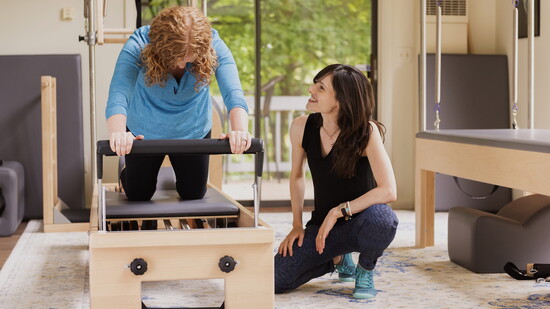
Kate Wheeler, a nationally certified Pilates teacher, encourages clients to approach movement with curiosity. “You are not a machine to be corrected or treated,” she says. “You are a living system.” At her Fairport studio, Crescent Trail Pilates, Wheeler teaches exercises developed by Joseph Pilates that build strength, mobility, and body awareness. Pilates, she says, “teaches the ability to problem solve through movement.”
Older adults often seek out Pilates to improve balance and prevent falls, while athletes use it to correct muscle imbalances. If you’re new to Pilates, Wheeler suggests beginning with private instruction for the best results.
Feel Your Best With Healthy Skin
When most people think about how aging affects their appearance, they think about their skin. But skin isn’t just the first thing others notice—it’s also a vital organ that requires care and maintenance.
“As we age, our bodies break down and no longer produce elastin and collagen,” says Christy Salafia, a board-certified nurse practitioner and owner of il-LUMA-nate, a medical spa in Brighton. When this occurs, skin develops lines, wrinkles, and sagging. Salafia says preventive care should start early, ideally in your 20s, to help skin age gracefully.
At the most basic level, she recommends wearing sunscreen daily and applying a high-quality vitamin C serum. By your 30s, retinol and a reliable moisturizer should become part of your routine. Products with peptides and exosomes (ingredients that help boost collagen) may be added in your 30s, 40s, and beyond.
“Not all skin is created equal and not all products are created equal,” Salafia emphasizes. Look for medical-grade options and consider consulting a licensed esthetician who can help tailor a plan to your skin’s needs.
For those willing to invest more, medical procedures such as microneedling can serve as early intervention for age-related changes. With the growing popularity of injectables like Botox and fillers, Salafia urges clients to prioritize training and safety over cost. In New York, only licensed medical providers may perform injections. “Going for the cheapest option can put you at risk for poor results or dangerous side effects,” she cautions.
Beyond aesthetics, Salafia emphasizes the importance of regular dermatology checkups, especially in your 50s and 60s, when skin cancer risk increases. “Trust your provider and make sure your goals are aligned,” she says.
Nurture Relationships That Last
Social-emotional wellness is an often overlooked facet of healthy aging, and it’s one that benefits from proactive attention early in life. Healthy relationships provide emotional support, reduce isolation, and help you stay resilient during life’s transitions.
Despina Mitchell, a licensed marriage and family therapist, notes that many couples begin noticing relationship challenges in their 30s as career and parenting demands take center stage. “People are connected to work all the time,” she says. “Home used to be a place of respite where you’d be disconnected from work and connected to your family.”
“You need to set boundaries for yourself, like setting office hours, especially if you work from home,” Mitchell adds.
Parenthood adds another layer of complication. “People justify pouring everything into their kids and stop prioritizing time together,” she says. As a result, empty nesters in their 50s and 60s may feel like strangers. Mitchell estimates that at least 75% of the couples she counsels aren’t struggling because they don’t love each other—they’re struggling because they no longer know each other at this new age.
“How different is the 20-something version of you compared to your 50-something version of you?”
That’s why she encourages couples to stay intentional about spending time together. She compares the process to continuing education: “You’re regularly checking in and asking, ‘What do you need from me? What do I need from you?’”
With knowledge, intention and the right support, your relationships can age with strength, confidence and vitality, and so can you.