As 2026 begins and many consider exercise routines or healthier eating, mental health deserves equal attention. Mental health has moved from a taboo subject to an essential wellness priority. Since the 988 Suicide & Crisis Lifeline launched nationally in July 2022, crisis calls have climbed steadily each year, and not just from people in acute danger.
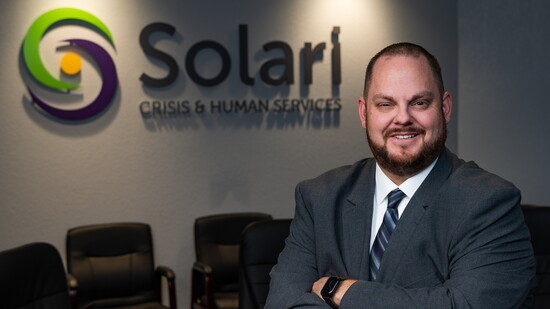
People are reaching out earlier, says Justin Chase, CEO of Solari Crisis & Human Services, which answers all 988 calls in Arizona, 24 hours a day, seven days a week. "This tells us that individuals see mental health as something to value, monitor and seek support for, in the same way they would care for their physical health."
That shift represents a fundamental change in the approach to wellness. What was once rarely discussed is now recognized as crucial to quality of life, with many seeking support from counselors or therapists as part of routine self-care. Our psychological well-being affects every area of life, for both present and future selves. Supporting this growing acceptance means caring for ourselves and loved ones, and using available services when needed.
Solari has been at the forefront of this evolution for nearly two decades. The organization offers crisis support via telephone, text or chat through the 988 Suicide & Crisis Lifeline, with the option of dispatching mobile crisis units for in-person support. Additional services include a warm line for peer support, a hotline for domestic violence survivors (SAFEDVS) and 211 Arizona, which connects people to local resources. All services are free and confidential, available around the clock in English and Spanish and, through real-time translation assistance, in more than 100 other languages.
"Solari has always been rooted in the belief that mental health is central to overall well-being, and for nearly two decades we've been honored to serve as a trusted partner in crisis care in our state," Chase says. "What has changed in recent years in the environment around us, as public acceptance of mental health support has grown, our role has expanded dramatically.”
The numbers tell a compelling story. In 2024, Solari answered over 500,000 crisis calls in Arizona, reflecting a 45 percent increase in volume since 988 became available.
Chase and other experts attribute these changes to the pandemic. "When in-person services were disrupted, telehealth became a lifeline, and people who might never have considered therapy before suddenly had access to it from their own homes," Chase says. "That shift made care more approachable and helped normalize the seeking of support. The isolation and stress of the pandemic forced many of us to confront just how critical mental health is, often for the first time in such a visible way."
Chase's own path reflects this change in access systems. He started his career as a social worker but quickly recognized the need for infrastructure that could help more people compassionately and effectively. Moving into leadership allowed him to deliver care on a larger scale, and when the opportunity came to join Solari, Chase says it felt like the perfect intersection of purpose and possibility.
"We at Solari have been pleased to see a significant shift in the mental health landscape, both in terms of demand and the kinds of services people are looking for," he says.
"Mental health is becoming a larger part of people's lives as awareness grows and stigma declines, and we're seeing that reflected in both national and local trends,” Chase shares. He says surveys show over 60 percent of adults feel comfortable discussing mental health publicly, and more than two-thirds of Americans are aware of 988 services.
For those looking to prioritize mental health in the new year, Chase recommends starting small. "Small, consistent steps matter: building routines of self-care that include rest, exercise, healthy eating and time with supportive people can make a big difference," he says. "Reaching out early, whether it's talking to a trusted friend, using a warm line or connecting with a counselor, helps keep challenges from escalating into a crisis."
The broader cultural conversation matters too. "Public education, media coverage and individuals and families who share their stories have also helped normalize mental health as part of overall health," Chase says. "No matter how heavy life feels, there is always someone ready to listen, to care and to help light the way forward. Reaching out for help is not a sign of weakness, but of incredible strength."
To support Solari’s work of providing critical safety nets for our community, visit Solari-Inc.org/Donate.
Solari-Inc.org
"No matter how heavy life feels, there is always someone ready to listen, to care and to help light the way forward."