Parents today are raising children in a world that moves faster than ever before.
Between packed schedules, academic pressures, extracurricular commitments, social media influences, and the constant flow of information, many families are searching for ways to help their children feel more confident, resilient, and emotionally grounded.
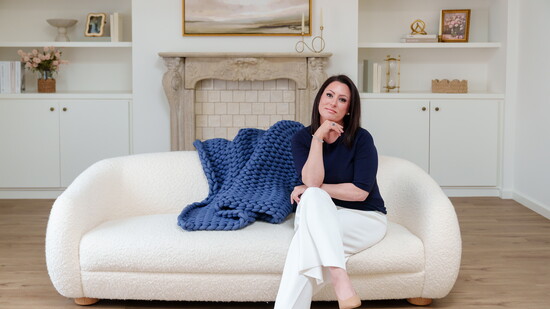
According to Upper Westchester therapist Dalia Dahan Kramarz, Psy.D., the answer may be simpler than many people realize.
"It's not about raising perfect children," she says. "It's about helping children understand themselves and develop the tools to navigate life's challenges."
Throughout her career, Dahan Kramarz has been fascinated by what helps people thrive—not just what they struggle with, but what gives them a deeper sense of meaning, purpose, and fulfillment. While much of her work focuses on emotional wellness, becoming a mother has added a new perspective to the conversation.
"Motherhood made me much more aware of how precious time is," she says. "It reinforced the importance of spending time in ways that reflect what we genuinely value."
That lesson applies to children as well.
In a culture that often celebrates achievement, parents can sometimes feel pressure to focus on performance, grades, sports, accomplishments, and milestones. While those things certainly have value, Dahan Kramarz believes emotional health deserves equal attention.
"When children feel understood and accepted for who they are, they develop a stronger sense of self," she explains. "That foundation helps them navigate challenges with greater confidence and resilience."
One of the most important skills parents can help children develop is self-awareness.
Many adults spend years trying to understand their patterns, motivations, strengths, and emotional triggers. Helping children begin that process earlier can have lasting benefits.
"When kids learn to identify their feelings, understand their reactions, and recognize what matters to them, they become more grounded," she says. "They learn that emotions are something to understand, not something to avoid."
Dahan Kramarz also encourages parents to reconsider the role boundaries play within family life.
Many people think of boundaries as rules or restrictions, but she sees them differently.
"Boundaries are really about protecting what matters most," she says. "Time, energy, and attention are limited resources. When we use them intentionally, we create space for the things that help our families thrive."
For children, that might mean protecting time for unstructured play, family dinners, outdoor activities, meaningful conversations, or simply slowing down.
Those seemingly small moments often create the strongest foundation for emotional wellbeing.
Another challenge she frequently observes is the pressure many young people place on themselves to meet expectations—whether those expectations come from peers, social media, school, or even their own families.
"I wish more children understood that they don't need to shape themselves around who they think they should be," she says. "Their individuality is often one of their greatest strengths."
It's a message she believes parents can reinforce every day by celebrating effort, curiosity, creativity, and authenticity rather than focusing exclusively on outcomes.
The goal isn't perfection.
It's connection.
Connection to family, to community, and perhaps most importantly, to themselves.
Supporting emotional wellness doesn't require grand gestures or complicated strategies. More often, it happens through consistent, everyday interactions: listening without judgment, encouraging open conversations, modeling healthy boundaries, and creating environments where children feel safe being themselves.
As families prepare for a new school year, Dahan Kramarz hopes parents remember that emotional resilience is built gradually.
Meaningful growth rarely happens all at once.
Instead, it develops through small, intentional moments repeated over time.
"The most important thing we can give children isn't a perfect path," she says. "It's the confidence that they can navigate whatever path lies ahead."
Dalia's Grounding Practices
Morning cuddles with her toddler, time spent with close friends, and moments of reflection help Dalia stay centered. Her favorite advice? "Don't build your life around other people's expectations." It's a lesson she hopes both parents and children carry with them throughout life.