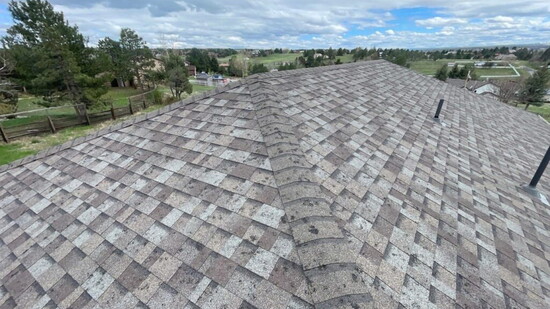
In this part of Texas, hail season isn't a question of if, but when. As those spring clouds gather over the Hill Country, the vulnerability of your home’s most critical barrier—the roof—becomes a top priority. To help you weather the storm, we’ve gathered two local heavyweights for an essential education in protection.
Scott Edwards, CEO of Mammoth Roofing & Solar, breaks down the structural "must-dos" to protect your home from impact. Meanwhile, State Farm agent Ruben Cardenas, Jr., navigates the often-cloudy waters of insurance, ensuring your policy is as resilient as your roof.
(Responses edited for length and clarity)
What are some of the biggest dangers to prepare for as hail season arrives?
Edwards: The biggest threats are hail, high winds, and extreme heat, often working together. Hail can damage shingles instantly, wind can lift or loosen roofing materials, and prolonged heat accelerates aging. One of the challenges is that roof damage isn’t always obvious right away, but it can quietly shorten a roof's lifespan or lead to leaks months down the road.
Tell us about some of the more common damage you see and how it causes problems.
E: We see a lot of bruised or cracked shingles from hail, lifted shingles from wind, and deteriorating sealant around flashing, vents, and chimneys. These weak points allow water to get beneath the roof surface, which can eventually lead to leaks, wood rot, mold, and interior damage. Many homeowners don’t realize there’s a problem until it shows up inside the home.
What are some of the biggest surprises homeowners may encounter when filing hail-related claims?
Cardenas: In the Hill Country, we have more metal roofs and standing-seam roofing, which can be vulnerable to aesthetic damage. Confirm with your agent if the policy provides coverage for cosmetic damage, and have them show you in the policy that it is not excluded. A good question to ask is, “Did they give you the option to buy the cosmetic coverage, or is it automatically excluded?”
What can homeowners do to mitigate potential damage?
E: The best preparation is proactive maintenance and regular inspections. Having your roof inspected annually and after major storms can help catch small issues before they become costly repairs. Keeping gutters clean, trimming overhanging branches, and addressing minor repairs promptly all help extend the life of a roof. When replacement is needed, homeowners may also consider impact-resistant materials, which perform better during hailstorms.
How can homeowners ensure their coverage is as robust as possible?
C: Confirm with your agent that your policy provides replacement cost benefits, or you will only be paid your roof’s depreciated value, which is the value of your roof’s remaining life. The depreciated value of a 25-year roof that is 10 years old may mean you will be paid for only the 15 years remaining life after your deductible. That’s probably a lot less than it will cost to replace.
Have there been any recent changes in the insurance landscape?
C: Some carriers are increasing deductibles. The standard has long been a 1% deductible of the home's value, but some companies are moving it to 2% or higher. Some may be lower than the 1%, but most of those are grandfathered by the company based on your tenure with the company.
Are there any warning signs of roof vulnerability?
E: Common warning signs include missing, curling, or lifted shingles; granules collecting in gutters; rusted or loose flashing; and cracked sealant around roof penetrations. Mold or dark streaks on shingles or siding can indicate trapped moisture or poor ventilation, which may point to underlying issues. Water stains on ceilings or walls, sagging roof lines, or excessive heat and moisture in the attic are also signs that a roof may be compromised. Age is another factor. Many asphalt roofs become more vulnerable after 10–15 years, even if they appear fine from the ground.
What is the most important piece of advice you have for homeowners?
C: If you have recently replaced your roof, be sure to let your agent and insurance company know. If possible, provide them with a copy of your receipt and keep it in a safe place in case you need to verify when it was replaced to maximize your compensation.
E: Don’t wait for a leak to take action. Roof damage is far easier and less expensive to address when it’s caught early. A professional inspection provides peace of mind and gives homeowners a clear understanding of their roof’s condition, enabling them to make informed decisions rather than react to emergencies.
Mammoth Roofing & Solar
Providing expert roofing services in Boerne and the surrounding areas to solve problems for their fellow neighbors and help them in their time of need.
mammothroofs.com | 210-263-1144 | 26669 IH-10 W, Ste. 1
Ruben Cardenas, Jr. | State Farm
A dedicated local agent providing personalized insurance solutions, including auto, home, and life coverage, to help Hill Country families thrive.
rubencardenasjr.com | 830-249-3325 | 410 E. San Antonio Ave.