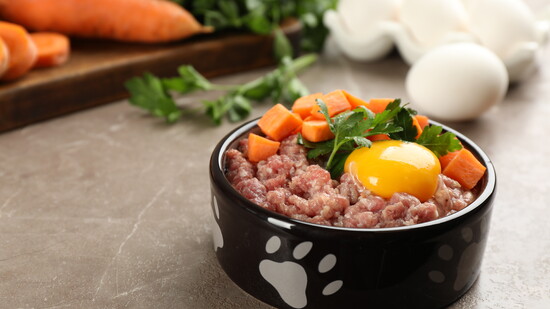
Why move away from commercial dog food?
Most commercial dog food is nutritionally adequate. But adequate isn't always the goal. Common reasons owners make the switch:
- Ingredient transparency. Labels like "meat by-products" and "animal digest" are legally defined in ways that diverge from what most people assume. Home cooking means you know every ingredient.
- Recalls. Contamination with salmonella, aflatoxins, heavy metals, and even pentobarbital has affected major brands. Owners who live through a recall often don't go back.
- Food sensitivities. Chronic ear infections, paw-licking, and loose stools are frequently diet-related. Homemade food makes elimination diets straightforward since every variable is controlled.
- Picky eaters. Fresh, lightly cooked food is almost universally more appealing than shelf-stable kibble, which is critical for underweight or recovering dogs who won't eat.
- Chronic health conditions. Dogs with kidney disease, diabetes, or pancreatitis often need nutrient targets a vet or nutritionist can only hit with a custom recipe.
- Ultra-processing concerns. Kibble is extruded at high heat, degrading heat-sensitive nutrients. Owners who've moved away from processed food in their own diets often reconsider it for their dogs too.
The 40/25/25/10 framework
A balanced homemade diet follows this rough breakdown by volume, averaged across the week, not perfected at every meal:
40% protein
25% veg
25% carbs
10% fat
Puppies need more protein and calcium; seniors often benefit from lower phosphorus. Pregnant or nursing dogs have substantially higher needs overall.
Safe ingredients
Proteins
chicken (boneless) lean beef turkey salmon (cooked) eggs lamb sardines (in water) duck
Liver and other organ meats are nutrient-dense but keep them to 5–10% of total protein — high vitamin A content becomes toxic in excess.
Vegetables
carrots green beans broccoli (small amounts) peas sweet potato zucchini spinach (occasionally) butternut squash
Steam or boil most vegetables. Raw carrots are the exception — fine as-is and good for teeth. Limit spinach; it's high in oxalates.
Carbohydrates
Main stays: brown rice, oats, quinoa, barley, or lentils (cooked).
Cook all grains until soft. This is important because dogs lack the salivary enzymes humans use to begin breaking down starches.
Never feed these: onions or garlic, grapes or raisins, xylitol, chocolate, macadamia nuts, avocado, cooked bones, raw pork, nutmeg, alcohol, caffeine, yeast, dough, cherries, or wild mushrooms.
Onions and garlic (including powders) cause hemolytic anemia. Grapes and raisins can trigger acute kidney failure in small amounts. Xylitol — found in some peanut butters and baked goods — causes rapid insulin release and liver failure.
Supplements to add
Homemade diets typically fall short on calcium, zinc, vitamin D, and omega-3s. A vet-formulated product like Balance IT closes most gaps. At minimum, add daily fish oil and a calcium source. Also fish oil (omega-3), calcium carbonate, vitamin E, zinc, Balance IT, or similar. Crushed dried eggshell works well as a calcium source with about half a teaspoon per pound of food.
A simple base recipe
Makes approximately 4 days of meals for a 30–40 lb adult dog. No seasoning — no salt, pepper, or oil.
Step 1 - Boil or bake two pounds of boneless chicken thighs or lean ground beef (unseasoned). Reserve a little broth to mix in if needed for palatability.
Step 2 - Cook 1.5 cups of brown rice (or oats or barley) until fully soft. Cool completely before combining.
Step 3 - Steam 1.5 cups chopped mixed vegetables including carrots, peas, and green beans. Pulse in a food processor for better nutrient absorption.
Step 4 - Add one to two hard-boiled or lightly scrambled eggs (no oil). Eggs contribute vitamin D, selenium, and highly bioavailable protein.
Step 5 - Once cooled, mix in fish oil (roughly 1,000mg EPA/DHA per portion for a 30–40 pound dog) and any vet-recommended mineral supplement.
Step 6 - Portion and refrigerate up to four days, or freeze up to three months. Thaw overnight. Don't microwave.
Feeding amounts
Homemade food contains more moisture than kibble so don't convert cup-for-cup. Feed twice daily, equal portions. Body condition is the best guide. Ribs should be felt but not seen.
- Under 20 lbs: ½–¾ cup per meal
- 20–50 lbs: 1–1½ cups per meal
- 50–80 lbs: 2–2½ cups per meal
- 80+ lbs: 3+ cups per meal. Confirm with your vet.
Active and cold-weather dogs may need 20–30% more while seniors often need 10–20% less. Adjust by 10% increments and reassess every two weeks.
Transitioning from commercial food
- Days 1–3: 75% old food, 25% homemade
- Days 4–6: 50/50
- Days 7–9: 25% old food, 75% homemade
- Day 10+: 100% homemade
Brief loose stools are normal. If diarrhea persists beyond three days, slow the transition. Sensitive stomachs may need a full two weeks to adjust to the new food.
Protein rotation
Rotating proteins weekly — chicken one week, beef the next, salmon after that — broadens the nutrient profile and reduces the chance of developing food sensitivities. If you suspect an allergy (recurring ear infections, paw-licking, loose stools), try a novel protein your dog has never eaten: venison, rabbit, or kangaroo are commonly used for elimination trials.
Consult your vet before switching — especially for dogs with kidney disease, diabetes, pancreatitis, or urinary conditions. Bloodwork every 6–12 months is worthwhile once fully transitioned.
Owners who've moved away from processed food in their own diets often reconsider it for their dogs too.