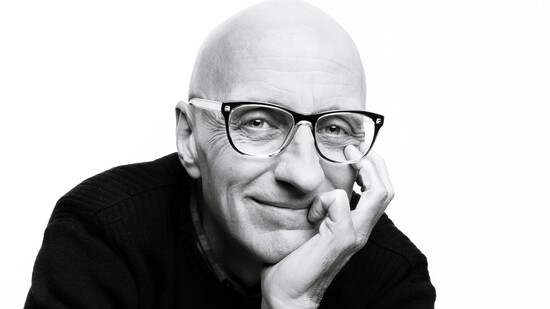
Contemporary American portrait photographer and filmmaker Randy Bacon shares about his art, his sacred connection to photography, and the inspiration behind his work.
What first drew you to photography and was there a moment when you realized that this was more than a hobby?
I developed a love affair with photography at around 15 years old. It was my high school sweetheart. It took me a while to realize that this would be my life’s work, but I was passionate and I knew it was my art form. For me, it was a journey of developing my style and getting brave enough and confident enough in myself to finally make that realization. As I grew as an artist, I told myself that if I ever did this professionally, I would stay true to photography being both sacred and something of artistic value to the world.
What was it like to get your first camera?
As a kid, I was into music and art. One day, my mom said that she wanted to go get me a camera. I wasn’t a photographer, but I thought that it was a cool idea. So, we went and got a camera, it was a used Pentax 35mm, and that was the key that opened this world to me.
Can you describe your creative process for bringing concepts alive into finished works?
I’m such a fan of art. If I go to another city, I always go to art exhibits; it’s my entertainment. With that, I ask myself what I like about my favorite artists and how I can take those seeds, those things I like about the different artists, and create my own style. I still look at photography and I’m still evolving as a photographer. I guess it’s me figuring out my voice through the admiration of others.
Your 8 Billion Ones project has been an inspiration to many. What inspired it and how has working on this project shaped your view of humanity?
It started as just taking pictures. I was super shy when I started. But when I started photographing people, it began growing and then people wanted to pay me to take their picture. Around the year 2000, I realized that part of what I want to do is show the value and specialness of people. We are created so uniquely, and every person is a work of art. And part of every person is their story. That philosophy started seeping into my work. Then, around 2003, my first major project was with Cox Health and their cancer center. I took portraits of people in the middle of their cancer battles or while they were undergoing chemotherapy treatments. While I photographed the first patient, she talked about how beautiful and special life is; she said, “Life is sweet.” That clicked with me. I knew I wanted to take portraits, but I also wanted to tell stories. I want viewers to see my photographs and dig in deeper. In 2013, I felt like I needed to ramp up what I was doing – there was a voice that wouldn’t go away. It told me I needed to create a movement that would keep going.
What do you hope people feel when viewing your portraits and exhibits?
When people look at my portraits, I hope they have a personal, intimate experience with the person in the photo. I want them to stop, identify with the portrait and the story, and walk away with a feeling of connection. We all come from different walks of life, but we are all incredibly special and important; we all have a purpose. I hope that through my work, we all get away from rash and wrong judgements about others.
What project or dream is still on your creative bucket list?
I just got done with The Soft Surrender, my third feature film. It was a two-year project, and it was a blast. It was heavy in nature, but it was an exciting and beautiful experience. I’ve been thinking about what my next film might be and I’ve started some preliminary discussions about another feature film. I love working with non-profit groups out on the front lines, and I’m not sure which one it will be yet, but I will stay true to working with people and organizations that I believe in because together we can create a “megaphone voice”.