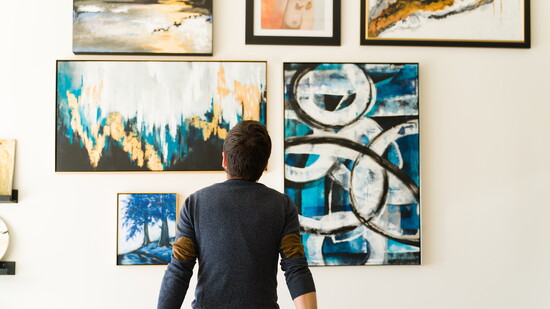
Investing in fine art appeals to collectors seeking diversification and personal fulfillment, but the market carries risks that require education, expertise, and patience. Unlike stocks and bonds, art lacks standardized performance metrics, making professional guidance essential.
Aviva Lehmann, senior vice president and director of American Art at Heritage Auctions, brings more than 25 years of auction industry experience to that conversation. She has spent over a decade at Heritage, where she helped establish dozens of auction records across nearly every category of American Art.
“Working in the auction industry for over 25 years, I have seen trends come and go,” Lehmann said. “Certain blue-chip artists in the American Art arena, such as Georgia O'Keeffe and Norman Rockwell, remain strong and consistent. Other areas fluctuate in cycles.”
One of the most significant shifts she sees centers on diversity in collecting.
“Early American Modernism remains strong,” Lehmann said. “But I will say that the hottest trend in collecting revolves around diversity: Women artists and artists of color are HOT HOT HOT!”
Paintings that once sold for modest sums have since achieved six-figure prices at auction. Similar momentum surrounds contemporary Native American artist Jaune Quick-to-See Smith, whose auction records have climbed from under $100,000 to more than $600,000 amid growing museum recognition and collector demand.
Despite strong market performance in select categories, Lehmann stresses that risk, particularly fraud, remains a constant concern.
“I have seen it all, and nothing shocks me,” she said. “We must always do our due diligence and research every work we sell, even if it has a COA.”
Certificates of authenticity, she noted, vary widely in credibility. “There are recognized authorities in the art world, and there are also appraisers, galleries, and even cruise ships that provide a COA that really means nothing,” she said, emphasizing that works should always be examined and vetted in person.
For new collectors, Lehmann advises slowing down and learning before buying.
“I always tell new collectors that they should buy with their heart — buy what they love. But buy with an educated heart,” she said, encouraging attendance at auction previews, lectures, and sales.
Art can also serve as a legitimate investment vehicle. “In my opinion, art collecting is less volatile, and you get to live with our investment and enjoy it on a daily basis,” Lehmann said.
When it comes time to sell, careful planning matters. “Always get multiple opinions from at least two reputable dealers or auction houses,” she said. “Don’t make a rash decision. Always do your homework and find the ideal selling venue.”
Ultimately, Lehmann said, quality endures. “The art market is cyclical… But quality material will sell well in any climate.”