“Love is communicated in food. Maybe that’s the magic we underestimate. It’s just as important as the nutrition in the food." - Alice Waters
Once upon a time, long before the myriad of competitive reality TV cooking shows, a curious young woman participated in a cooking competition with classically trained, creatively inspired chefs. She showed up cooking the way she cooked at home, discerning over the sweet scent of a juicy piece of a fruit, an indicator of its peak of ripeness. Tender leaves of green and various intensities of bitter and sweet were stacked, one by one, in a charming bowl. As snickering competitors, perhaps too consumed with their own complex creations to notice the revolution, admired their plates and felt no pressure, Alice quietly and confidently stepped into her own idea of what true nourishment is, and humbly walked away with the prize, for creating a salad.
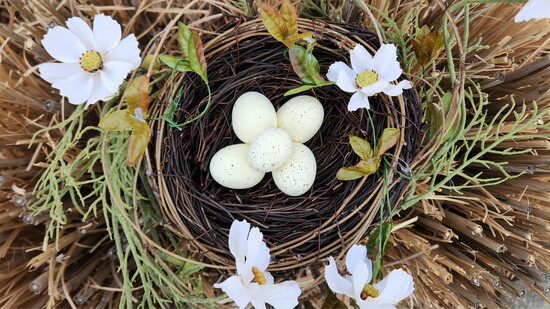
In 1971, Alice Waters opened Chez Panisse in Berkeley California, launched the California culinary scene, and with the support of local farmers, pioneered the farm to table movement as we know it today; one that has become the most popular way to dine across the country. Alice started her training as Montessori teacher in London, and recognized first hand that love and learning take place with all the senses; what is felt, and what is seen, informs and imprints the experience. Her intention to support local regenerative farmers in her community, confirmed that the love they poured into shepherding the land infused the ingredients with reverence. By using what was available and in season, she brought a flavor profile to her patrons that most people weren’t accustomed to getting anywhere else but home. She built a team of valued collaborators who further infused each creation with love, themselves cared for and valued; everyone involved in running the restaurant has a voice. From the farmer to the table. She made sure there were windows, she lit candles, she played lovely music, and built a little nest for people to come and be loved through delicious, whole, simple meals. In 1992, this curious girl went on to be the first woman to win the James Beard award and was named top chef in America. Salad is always on the menu. She is also a pioneer in connecting schools with farmers to bring that same responsibility to nourishing littles in schools.
In the modern food system, the availability of already prepared meals, and in the modern pace, it can be all too easy to pivot towards convenience, and away from the time it takes to invest in the nutritional ecosystem of the home. Alice discovered quickly that the process of cooking, and connecting to nourishment with, and for, all those in the nest, created a unique comfort people were hungry for. The invitation for this month and recipes is to just get a little curious, and take a loving inventory of what adjustments can be made to raise the bar on the health of everyone in the home. There’s a quiet pedagogy that takes shape when nourishing the nest becomes as non-negotiable a value as any portfolio. Bringing every voice to the shared table teaches collaboration. Planting carrot seeds teaches nature's pace, faith, patience, and mystery. Collaborating with local farmers, and visiting the farm, re-connects the family with the earth and all the gifts she provides. A happy farmer will also teach a kiddo how to lovingly catch a chicken. And where eggs come from (this is how Jane Goodall started her education and fascination with the natural world). Meal planning can be effective whether there’s an elaborate tool kit, or a piece of paper and a pencil. Cooking a meal at home can take less time, and often less money than going out. And an investment that pays dividends in dollars and time saved is one worth exploring.
This month’s recipes are nutritionally, ethically and financially sound. Argentinian chimichurri is a staple sauce around the world, and raises the taste experience when matched with a high quality meat. Once this starts to make a regular appearance in the kitchen, it quickly becomes apparent it’s a delicious topper for any roasted veggie (cauliflower would be amazing) or a punchy, fresh powerhouse salad dressing. It’s obsession worthy, loaded with nutrients, and can be kept easily for 5-7 days in the fridge. Baby bok choy, served two ways, creates unique textures and surprisingly different flavor, without any additional work or complex ingredients. The featured meal is primarily whole food, locally available, sustainable and ethically sourced, budget friendly compared to eating out, and from start to finish, takes all of 20 minutes to prepare. Maybe less if all the birds help out. On a value scale, and what’s worth investing in, they check all the boxes. Enjoy.
Baby Bok Choy - 2 Ways
Baby bok choy is a tender and sweet forerunner to the much bigger, less flavorful grown up version of a Chinese cabbage and can be eaten raw or gently cooked. Chili crunch oil has gained popularity over the last couple of decades and can be found in most grocery stores. Most aren’t too spicy, some contain garlic and onion, and are a nice contrasting complement to the tender and mild baby bok choy if a little extra kick is what you’re looking for.
Ingredients:
6 crisp baby bok choy cabbages
4 T organic unsalted butter
3 T garlic infused olive oil
1 tsp organic red wine vinegar
1 T chopped fresh parsley
2 cloves garlic thinly sliced
Salt and pepper
Chili crunch oil (optional)
Directions:
1. Wash bok choy well under running water to get down between the leaves without removing them. Let drain and dry a little. Slice 3 of the bundles in half lengthwise.
2. In a skillet, heat 2 T of butter and 2 T garlic-infused olive oil over medium high heat. Season cut side with salt and pepper. Place bok choy cut side down in skillet, cover, and cook for 5 minutes. Remove from heat and set aside.
3. Turn heat to low and add the remaining 2 T of butter and allow for brown slightly. Add the garlic and parsley, and cook for 1 more minute stirring. Place aside in a little bowl.
4. Cut the remaining 3 bok choys in half lengthwise, and slice thinly crosswise. Place in a bowl, sprinkle with salt and pepper, drizzle with 1 T garlic-infused oil, add the vinegar, and toss gently to coat.
5. Place the warm bok choy cut side up on the platter along the steak (if serving this way) and drizzle with the warm garlic parsley brown butter. Serve with crunchy chili oil in a cute bowl on the side.
Classic Chimichurri Sauce
Ingredients:
4 T organic red wine vinegar
2 cloves garlic minced
1 tsp kosher salt
½ tsp dried oregano
½ tsp red pepper flakes
½ tsp paprika
½ cup garlic infused olive oil
½ cup avocado oil
1 cup finely chopped flat leaf parsley
Perfectly Delicious Ribeye
Ingredients:
One 8-10oz grass fed ribeye steak,1.5 inches thick
Salt and pepper (that’s all a good steak needs)
Directions:
1. Remove steak from the fridge and allow it to sit at room temperature for about 10 minutes before cooking. Pat dry with paper towels to remove excess moisture. Season evenly with salt and pepper on both sides. Set aside to make the sauce.
2. In a medium bowl, mix vinegar with the garlic and spices. Whisk in oil to emulsify, mix in parsley, and set aside to season while preparing the steak.
3. *Grill or cook steak in a preheated cast iron pan for a total of 7 minutes for medium rare, 8 minutes for medium, and 10 minutes for well done. Note: Ribeye can handle a longer cooking time to render fat and still stay tender.
4. Remove from the grill or pan and rest under some foil for about 8 minutes before slicing. Fan the steak along the center of a charming serving dish and top with the chimichurri. Serve with warm pan seared baby bok choy and the crunchy cold bok choy salad. Serves 2 generously.
*According to ‘America’s Test Kitchen’, the best way to cook any steak is in a cast iron pan. They recommend preheating the pan in a 500 degree oven before taking it stovetop. Put the pan in a cold oven, preheat, and remove once the oven comes to temperature (use a mitt for the handle). Put the pan over medium heat to sear the steak, 1 minute on each side. Turn the heat to medium low and flip every minute for the remaining minutes.*