We typically think of investment as money at work—yet the most lasting returns are found in people.
Supporting someone’s growth, confidence, and opportunity is an investment that grows over a lifetime, benefitting the whole community—and the world.
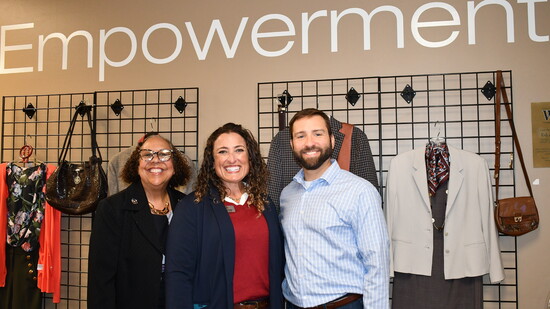
Working Wardrobes, a nonprofit based in Santa Ana, is empowering individuals to thrive, and the community prospers with them. Their mission is clear: they help people overcome barriers to gain employment.
“Employment is one of the most powerful stabilizing forces in a person’s life,” notes Bonni Pomush, the organization’s CEO.
“At Working Wardrobes, we see employment as one of the most powerful stabilizing forces in a person’s life. When someone gains meaningful work, they are not just earning a paycheck. They are restoring their confidence and creating pathways for themselves and their families to thrive. Removing barriers to employment is an investment in long-term economic health because it strengthens the workforce from the inside out.”
When individuals achieve stability, the benefits flow outward.
“Families experience less housing insecurity, and children grow up with greater opportunity, which leads to increased resilience,” explains Bonni.
“At Working Wardrobes, every person who successfully re-enters the workforce contributes to a healthier, more inclusive economy. Investing in people creates a ripple effect. The return is measured not only in employment outcomes, but in restored dignity and more connected communities.”
The organization’s model demonstrates that supporting people is strategic, sustainable, and essential for community vitality.
Today, the challenges facing employees are more pronounced than ever.
“The populations we serve are navigating a rapidly changing workforce. With the cost of living continuing to rise and evolving job requirements because of technology and AI, the gap between available opportunities and accessible pathways continues to grow larger every day,” she says.
“Many of our clients face extensive challenges, including being justice-impacted, struggling with housing instability, not understanding the changing digital landscape, and oftentimes not having access to professional networks.”
At the same time, employers are looking for dependable talent that can adapt to constantly changing demands.
“The disconnect is not about anyone’s willingness to work. It is about them having access to preparation and opportunity. At Working Wardrobes, we are seeing that the challenge ahead is ensuring that workforce systems evolve in ways that also include people who have been left out.”
Working Wardrobes’ approach closes this gap through comprehensive job-readiness programs—coaching, mentorship, career guidance, and training that prepare clients for both today’s opportunities and long-term career growth.
Building confidence is key—and often the highest-return investment a person can make in themselves.
“Skills and a new suit can open doors, but confidence allows someone to walk through them with determination. Many of the folks we serve have experienced setbacks that affect how they see themselves and when we rebuild what they see inside, that internal belief is transformative.”
The impact is clear and lasting.
“When someone feels prepared, supported, and seen, you can really see it in their demeanor. It’s visible to see the transition as their posture changes and voice strengthens. It is almost as if their sense of possibility expands, too,” observes Bonni.
“That shift is evident in interviews, workplaces, and everyday interactions. Confidence fuels endurance, and that in turn ends up fueling one’s success. It empowers individuals to truly advocate for themselves long after they leave our programs.”
Workshops at Working Wardrobes further amplify this impact, reframing employment as a platform for stability rather than a temporary paycheck.
“Our clients explore financial literacy, how to develop executive presence, navigate career transitions, workplace communication, how to ace an interview, and long-term career planning. Through coaching and peer support, participants envision themselves as professionals with control over their futures. That perspective shift is essential, helping individuals make decisions that support growth rather than just surviving.”
Business wear, often overlooked, can dramatically enhance this transformation.
“Professional attire is not just about appearance,” notes Bonni.
“When someone shows up dressed to impress for an interview, it signals that they are prepared, confident, and ready for the position. They engage more fully, speak more clearly, and project professionalism. Many of our clients have never owned interview-ready attire, so when we’re able to provide that resource for them, they’re communicating to themselves and future employers that they are worthy of any opportunity. Dignified clothing levels the playing field, allowing talent and preparation to take center stage.”
Donor support builds a workforce that is stronger, more capable, and resilient.
“Investing in organizations like Working Wardrobes strengthens entire communities. When people can secure employment, it reduces reliance on emergency systems and contributes to local growth through economic participation,” she says.
“Beyond the numbers, donors are supporting second chances. Each success story we have represents fewer barriers and more opportunities for the next person. The impact extends far beyond one individual. It builds a culture that values dignity and respect.”
In this way, charitable investment drives lasting social and economic benefits.
“It is a parent securing stable work and being able to provide for their family. It is a justice-impacted individual rebuilding trust and launching a new career path. It is a client returning years later as a mentor for current participants or to volunteer at our Donation Center. Programs are tools, but people are the purpose. When we invest in individuals, we invest in their capacity to grow and give back. True success is seeing that growth continue long after formal services end.”
The philosophy guiding Working Wardrobes illustrates a fundamental truth—workforce readiness is a form of economic investment that benefits everyone.
“Our model combines practical resources with human connection, and we want readers to understand that the future of our workforce depends on inclusive opportunity. When barriers are removed, people rise. When people rise, communities thrive. At its core, our work is about restoring dignity and unlocking each person’s unique potential. That is an investment with immeasurable returns.”
To learn more about Working Wardrobes, please visit www.workingwardrobes.org.
Removing barriers to employment is an investment in long-term economic health because it strengthens the workforce from the inside out.”
“Programs are tools, but people are the purpose. When we invest in individuals, we invest in their capacity to grow and give back. True success is seeing that growth continue long after formal services end.”