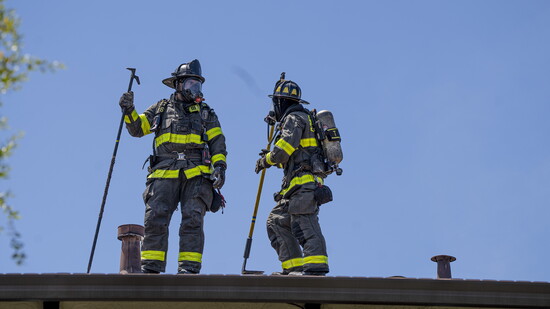
The Contra Costa County Fire Protection District (CCCFD) has long understood that taking care of its people is fundamental to caring for the community.
From rigorous physical training to ongoing professional development, the district has consistently invested in preparing firefighters for the demanding realities of the job.
Now, through a new partnership with Restoration First Responder Network (Restoration), the fire district is extending that commitment to an equally critical area: long-term mental and emotional wellness.
Firefighting is not a job that ends when a shift is over. The calls, the losses, the responsibility, and the cumulative exposure to trauma often come home with the people who serve.
The fire district's leadership recognizes that preparing firefighters for the mental demands of the profession is just as essential as preparing them physically.
The partnership reflects a proactive approach to supporting the men and women who respond to hundreds of critical incidents throughout their careers.
Restoration brings a model specifically designed for the unique culture of the fire service. Led by Executive Director Sherie Mahlberg, a licensed therapist with decades of lived experience inside the fire service, the network was built to address gaps that traditional therapy models often fail to meet.
Mahlberg’s perspective is deeply personal. Married into the fire service for more than thirty years, she raised her family within the rhythms, risks, and realities of first responder life.
That firsthand understanding is the foundation of Restoration’s approach.
Rather than asking firefighters to explain their world before they can begin healing, Restoration meets them where they are.
Its clinicians understand shift work, station life, chain of command, and the unspoken rules that shape firehouse culture.
Many members of the Restoration team are married to first responders or are retired first responders themselves, creating an environment where trust can form quickly, and stigma begins to fade.
Through this partnership, CCCFD firefighters and their significant others will have access to a comprehensive range of services.
These include individual counseling with culturally competent, licensed clinicians; critical incident stress response services such as defusings and debriefings; line-of-duty death response and survivor support; leadership and command staff consultation; and proactive annual check-ins designed to identify stress early, before it escalates into crisis.
Centralized scheduling by staff who understand the fire service ensures care is accessible and responsive.
Deputy Fire Chief Aaron McAlister emphasized that this partnership aligns with the district's existing approach to physical health. Firefighters train at the academy, receive ongoing conditioning, and are supported when they sustain physical injuries on the job.
Mental performance, he noted, deserves the same level of preparation and attention. By engaging Restoration, the fire district is investing in preventative care that supports long, healthy, and sustainable careers.
This approach reflects a broader cultural shift happening within the fire service.
Mental health is increasingly viewed not as an optional resource, but as essential equipment for doing the job safely.
Restoration’s model supports firefighters throughout their careers, not just in moments of crisis, helping normalize care and reinforce that seeking support is a sign of professionalism, not weakness.
For the Contra Costa County community, this partnership represents a commitment to those who serve on its behalf.
By investing in the well-being of firefighters and their families, CCCFD is strengthening its workforce's resilience and ensuring that those who show up on the community’s hardest days are supported with the same dedication they give in return.
It is an investment not only in firefighters, but in the long-term health and safety of the entire community.