When people think about investing, they often picture portfolios, property or retirement accounts. Rarely do they think about their smile. But according to Dr. Ravi Shah, investing in your oral health may be one of the most important long-term decisions you can make.
Shah, a New Jersey native who took over Ocean Shore Dentistry—a long-standing general dentistry practice—two and a half years ago, saw dentistry as more than routine cleanings or cosmetic upgrades. He viewed it as preventive medicine.
“Oral health is connected in a lot of ways to other parts of your body,” Shah says. “If patients viewed dental care through a medical lens instead of just a cosmetic one, they would prioritize it very differently.”
Shah earned his undergraduate degree from Rutgers University before completing dental school at the University of Connecticut. He later returned to New Jersey for residency during the height of the COVID-19 pandemic, followed by an implant fellowship in the Midwest. After years of advanced training and practicing out of state, he returned home to serve the community he grew up near.
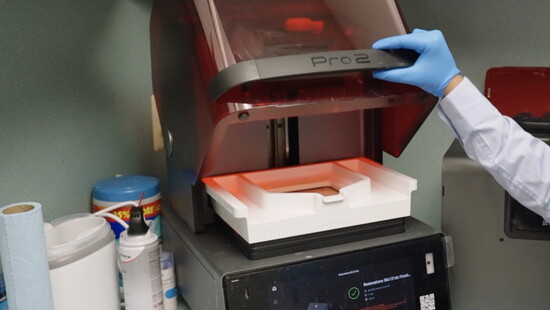
Since taking over the practice from a retiring physician, Shah has modernized the office with updated technology and a renewed focus on comprehensive care. But he is deliberate about which innovations he adopts.
“New technology is important,” he says, “but it has to truly benefit patients. It is not just about having the newest machine—it is about how it improves care.”
One advancement he is currently evaluating enhances early oral cancer detection, identifying abnormalities that may not be visible to the naked eye. For Shah, that kind of investment reflects the broader shift happening in dentistry—one that links oral health to systemic health.
Research increasingly shows connections between gum inflammation and conditions such as diabetes, cardiovascular disease and even neurodegenerative disorders. Shah notes that inflammation in the gums can contribute to broader inflammatory responses in the body. In some cases, improving oral health has been shown to help reduce A1C levels in patients with diabetes.
“Something as simple as taking care of your teeth can have ripple effects throughout your body,” he says.
That philosophy reframes routine cleanings as preventive strategy rather than obligation.
For patients unsure where to begin, Shah emphasizes consistency over complexity. Twice-yearly cleanings remain foundational, but daily habits matter just as much. He recommends electric toothbrushes for patients who rush through brushing, water flossers for those who struggle with traditional floss and customized care plans for individuals prone to cavities or dry mouth.
“There is not one universal routine,” he says. “Knowing where you stand and creating a plan specific to you is what prevents problems long term.”
As he continues growing the practice, Shah hopes to deepen community partnerships—from business networking groups to local health and wellness expos—and expand education around how oral health intersects with recovery, chronic illness and overall well-being.
Because in the end, investing in your smile is not about aesthetics alone. It is about protecting the systems that allow you to live fully—today and decades from now.