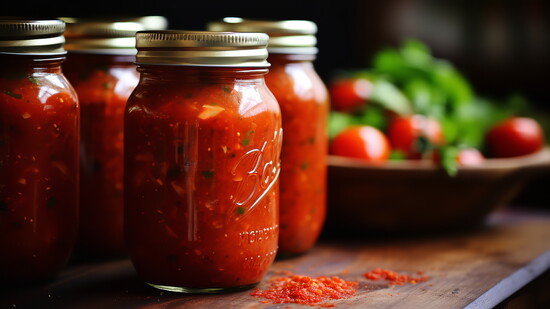
Canning tomatoes is more than just a kitchen task—it’s a seasonal ritual that connects generations. Every summer, as gardens overflow with ripe, juicy tomatoes, Memphis families and friends gather in home kitchens to preserve the harvest. The process ensures that the taste of summer can be enjoyed in soups, stews and sauces long after the last tomato vine withers.
Tomatoes thrive in the long, hot Tennessee summers, often producing more fruit (yes, tomatoes are technically a fruit) than can be eaten fresh. Historically, canning was essential for survival, helping families store food for the winter months. Today, Memphians continue to can tomatoes for the unbeatable flavor of vine-ripened fruit and the process of preservation, a joyful, wholesome pastime shared by many.
Doyenne of the canning dynasty in Memphis is Connie Adams. Connie has taught hundreds her technique, a refined system she learned while living in California. While there, she befriended a first-generation Italian American family who shared their techniques. “They were so good at using food. Nothing went to waste.” Of course, the best tomatoes were abundant in sunny California. Back in Memphis, Connie had to work a little harder to find the right produce for canning. She eventually sourced a farmer in Ripley, Tennessee to grow the Jet Star variety. Known for its high sugar content that balances the natural acidity of the fruit, Jet Stars offer a mild and sweet taste and firm texture that is ideal for canning. While her farmer is no longer growing tomatoes, the variety can be found at the Agricenter International and other farmer’s markets in the region.
With the tomatoes in hand, Connie invites friends and family to her kitchen to help. The process involves a very specific set of jobs and lots of hands. The steps are a tight system of boiling, peeling, coring, stuffing jars, salting and sealing. She prefers the water bath method to sterilize and seal the jars. Adams often has multiple generations in the kitchen at the same time. “The kids love to learn and they eventually ‘graduate’ from one job to the next,” she says. Canners bring their own sterile wide mouth quart jars and get busy on the assembly line this time of year. Each bushel or box of tomatoes typically produces eight quarts of tomatoes. Adams and her crew once canned 500 quarts in one summer.
The work is demanding, and Adams oversees quality control, insisting, “We do not put up anything except Blue Ribbon winners at the county fair.” Her high standards are what keep folks coming to her kitchen to learn. She also serves canners a memorable homemade lunch for a midday break. “Canning is better than therapy,” says Adams. She elaborates that a day in the kitchen around the table working together offers a singular opportunity for “sharing and community and connection.”
Cary Brown learned canning in Connie’s kitchen and has taken it even further in her home. With her family, she now pickles late-summer vegetables in addition to putting up tomatoes. A native of Mississippi, Cary grew up with a deep reverence for the land and produce lovingly grown in the garden. “Nothing goes to waste” she says. Think pomodoro sauce, chili, gazpacho and Bloody Marys.
While there is nothing like fresh tomatoes all year round, putting up tomatoes is about more than filling pantry shelves—it’s about savoring summer memories during the cold months. Each jar opened in winter is a reminder of warmer days and the satisfaction of a job well done. Whether you’re a first-time canner or continuing a family legacy, the process keeps the ritual alive, one tomato at a time.
“We don’t put up anything except Blue Ribbon winners at the county fair.” Connie Adams