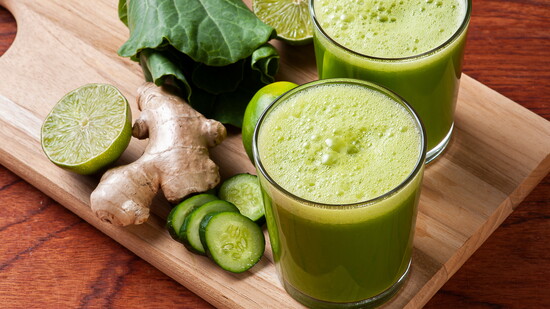
Juicing may look like a wellness win, but hormonally and metabolically it works very differently than most people expect. In my practice, patients often feel great with the first sip, then end up hungrier, moodier, or more fatigued as the day goes on. The reason is simple physiology, and here’s what science actually shows.
MYTH: Juicing “resets” metabolism
FACT: There is no research demonstrating that juice cleanses, reset or repair metabolic function. Metabolism is shaped by age, hormones, muscle mass, sleep and overall diet quality. Harvard School of Public Health and National Strength and Conditioning Association research shows that stable blood sugar, adequate protein and resistance training have far greater metabolic impact than any juice.
MYTH: Juice digests “cleaner” than whole fruits and vegetables
FACT: Removing fiber changes the hormonal response entirely. Studies published in the American Journal of Clinical Nutrition show that fruit juice raises blood sugar significantly faster than whole fruit. Fiber slows digestion, steadies glucose release and supports gut hormones involved in fullness. Without it, the body absorbs natural sugars rapidly, which can worsen cravings, fatigue and insulin resistance.
MYTH: Juicing helps balance hormones, especially during perimenopause and menopause
FACT: High sugar juices often make hormonal swings worse. As estrogen decreases in the forties and fifties, fat storage shifts toward the abdomen. Belly fat increases cortisol, which increases insulin resistance. Spiking blood sugar with juice compounds this effect. For many women in midlife, protein and fiber are far more effective for hormone stability than pure juice.
MYTH: Juicing “detoxes” the body
FACT: Your liver and kidneys detox continuously without assistance. NIH research clearly shows that these organs metabolize and eliminate toxins around the clock. No juice accelerates this process. Juicing can provide antioxidants, but it does not detoxify the body.
MYTH: All produce is equally healthy when juiced
FACT: Some juices rapidly flood the bloodstream with sugar. Pineapple, mango, grapes, and beets create a high glycemic load when juiced, which is important for anyone with insulin resistance, PCOS, thyroid concerns, or perimenopausal weight changes.
People prone to kidney stones should also be cautious with high-oxalate juices such as spinach and Swiss chard. The National Kidney Foundation notes that oxalates are safe for most but can raise stone risk in those predisposed.
MYTH: Bottled juices are just as potent as fresh
FACT: Antioxidants degrade quickly. Many nutrients break down as juice sits on the shelf. Fresh or cold-pressed options maintain more of their original vitamin and phytonutrient content.
MYTH: Juicing is the best way to get nutrients quickly
FACT: Blending whole produce may support hormones more effectively. Smoothies retain fiber and allow for the addition of protein, healthy fats and seeds that stabilize blood sugar. For busy schedules, smoothie ingredients can be prepped and frozen ahead, making them more practical than daily juicing.
MYTH: Fiber is mainly for digestion and does not influence hormones
FACT: Research across major journals shows fiber is essential for hormonal and metabolic balance. The American Journal of Clinical Nutrition confirms it slows digestion and prevents blood-sugar spikes; the Journal of Nutrition shows it boosts gut hormones like GLP-1 and PYY that control appetite; Nutrition and Cancer links higher fiber intake to healthier estrogen metabolism; and NIH research shows fiber feeds gut bacteria that produce anti-inflammatory short-chain fatty acids.
When produce is juiced and fiber is removed, these benefits disappear and natural sugars hit the bloodstream quickly. Blending whole produce preserves fiber and supports the hormonal pathways that stabilize blood sugar, appetite, and metabolism.
Bright Anti-Inflammatory Green Glow Juice
Supports metabolic health, reduces inflammation, boosts energy
Ingredients
1 cup pineapple chunks
1 medium cucumber, sliced
2 stalks celery
1-inch piece fresh ginger
1-inch piece fresh turmeric (or ½ tsp ground turmeric)
1 small green apple (optional)
Juice of ½ lemon
A handful of spinach or kale
1–2 cups cold water or coconut water
Directions
Add ingredients to a high-speed blender or juicer.
Blend until smooth.
If using a blender, strain through a fine mesh sieve or enjoy as-is for extra fiber.
Serve over ice.
Why It Works
Pineapple: bromelain supports inflammation reduction
Cucumber + celery: hydrating and electrolyte-rich
Ginger + turmeric: strong anti-inflammatory compounds
Spinach/kale: rich in magnesium, folate, antioxidants
Lemon: vitamin C and liver-supporting flavonoids
Green apple: sweetness without major glucose spikes
Optional Boosters
1 tbsp chia seeds
1 scoop collagen peptides
A pinch of black pepper (enhances turmeric absorption)
¼ tsp cinnamon
brightendocrinology.com