The sun is shinning, the flowers are blooming, the bees are happily buzzing along. Yes, June has arrived and with it we are now in the perfect time to plant the glorious gardens we have dreamed about all winter. Whether you are a flower gardener or a veggie gardener, this is your time to shine.
- Warm-Season Veggies & Herbs: Transplant tomatoes, peppers, and eggplant by mid-June. Direct sow beans, corn, cucumbers, squash, radishes, pumpkins, and melons.
- Sow Root Vegetables: Carrots, beets, and radishes, along with summer lettuces.
- Flowers: Plant as companions to your vegetables. Try sweet alyssum, nasturtium, zinnias, petunias, and marigolds. Mid-June is also a great time for sowing sunflowers.
- Perennials & Shrubs: June is the last month for planting new perennials before the heat of late summer makes it difficult for them to establish.
June Maintenance Checklist
- Watering: Water evenly and directly at the base of plants in the before 8:00 am to be water wise and to prevent evaporation and diseases. If rain is scarce, deep water trees and shrubs, Colorado summers are very dry.
- Mulching: Apply 2-3 inches of organic mulch (straw, bark) around plants, to retain moisture, keep roots cool, and suppress weeds. Keep mulch 2-3 inches away from the base of plants to prevent rot.
- Weeding: Regularly remove weeds before they go to seed. This will help to prevent the weed from reproducing and reduce competition with other garden plants.
- Harvesting: Begin harvesting cool-season veggies like spinach, lettuce, and kale before they bolt (go to seed) due to rising temperatures.
- Soil Amendment: Work in organic compost for high-production plants like tomatoes.
- Fertilize: Use organic fertilizers. Weekly applications of fish emulsion has worked well for me.
- Wind & Hail: With our recent very warm winter and a potential Super El Niño developing be prepared to protect plants from sudden June hail storms.
- Water-Wise Gardening: Focus on drought-tolerant plants or xeriscaping to manage lower water availability. Take the Castle Rock Water District Water Wise class to learn more.
Companion planting creates a more productive, healthier and sustainable garden by using the natural relationships between plants. Companion planting serves as a natural pest control, enhances soil health, boosts pollination, and maximizes garden space making plants rely less on chemical fertilizers or pesticides. Most vegetable crops have friends or foes in the garden. Here are a few companions for tomatoes and zucchini.
Tomatoes:
- Friends: Basil, cilantro, parsley, thyme, asparagus, carrots, marigolds, nasturtium, borage, calendula
- Foes: Potatoes, cabbage, broccoli, cucumbers, corn, rosemary, dill, fennel
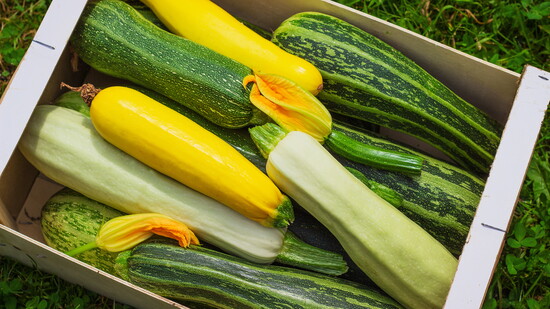
Zucchini
- Friend: Radish, corn, beans, nasturtium, marigolds, calendula, borage, dill, oregano, parsley
- Foe: Potatoes, sweet potatoes, other squash, melon, fennel,
Gardening is more than a lifestyle—it’s a passion cultivated over 25 years in landscape design. I cherish every moment spent nurturing the earth, watching beauty unfold, and sharing nature’s bounty. From vibrant blooms to fresh harvests, my hope is to inspire you to step outside, breathe deeply, and grow with intention.