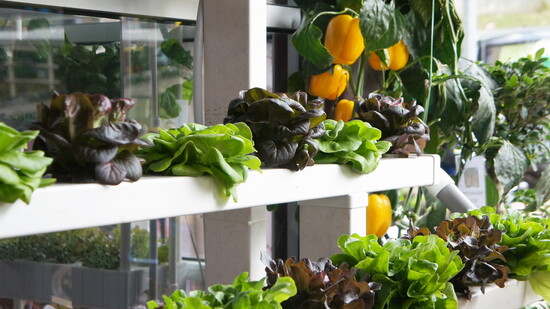
Once upon a time, growing your own food meant a backyard, a shovel, and a tolerance for weeds. These days, it might just look like a sunny corner of your kitchen, a sleek little system humming quietly, and basil growing faster than you can make pesto.
Welcome to the world of home hydroponic gardening, where plants grow without soil, indoors, and often with surprisingly little effort. As homes and apartments get smaller and schedules get busier, hydroponics has become a great solution for people who want greenery, fresh food, and a little DIY joy in their living space.
Hydroponic gardening isn’t new, but it’s having a very modern glow-up. Several trends are fueling its popularity. Urban and apartment living is on the rise. Not everyone has a yard, but almost everyone has a counter, shelf, or spare wall. Homegrown food also guarantees that no preservatives or unwanted chemicals are in your food. And modern design-friendly systems look more like home décor than messy science experiments. Plus, there’s something deeply satisfying about nurturing a living thing, even if it’s just a very enthusiastic head of lettuce. In short, hydroponics fits beautifully into the way many of us live now…compact, intentional, and health-conscious.
So what exactly is hydroponic gardening? The simplest explanation is growing plants without soil. Instead, roots sit in water enriched with nutrients, or in a neutral medium such as clay pellets or coco coir that delivers water directly to the plant. For home gardeners, that means no digging, no weeding, fewer pests, and fast growth. The plants get exactly what they need, when they need it, and they tend to thrive.
Why are so many people loving hydroponic gardening? Hydroponic gardens are practical and easy to maintain once they are set up. Most systems are surprisingly low-maintenance. Water refills every one to two weeks, occasional nutrient top-ups, and a quick check to make sure roots and pumps are happy, and you’re on your way! Many people find it easier than traditional gardening, especially if their previous plants met an untimely demise from forgetting to water. Hydroponic systems recirculate water, using up to 90% less water than traditional gardening. And because it uses no soil, there are no muddy floors, no spilled pots, and no mystery bugs hitching a ride indoors. Plus, plants often grow faster and yield more because they are not working as hard to find nutrients. But one of the best benefits of hydroponic gardening is that it’s not reliant on Mother Nature. Snowstorm outside? No problem. Your indoor garden doesn’t even notice. You’ll get fresh produce year-round!
So, What Can You Grow at Home? While you won’t be harvesting full-size pumpkins in your living room (probably), you can grow an impressive variety of plants indoors. Start simple with lettuce and leafy greens (romaine, butterhead, arugula) and herbs like basil, mint, parsley, oregano, cilantro, and thyme. Once you’re comfortable, try your hand at cherry tomatoes, peppers, strawberries, or green onions. If it’s compact, fast-growing, and doesn’t need a deep root system, chances are it’ll be happy in a hydroponic garden.
There are many systems to choose from, so you can tailor your garden to fit any space. Vertical systems, countertop units, and slim wall setups make it easy to grow a lot in a little space. Which system is right for you? If you’re just starting out, countertop gardens are a perfect place to dip your toes in the water, so to speak. These gateway systems are compact, often self-contained, and great for kitchens where herbs and greens are at your fingertips. Want a little more room to grow? Shelf or bookcase setups work well in apartments with limited natural light. Simply add grow lights to a standard shelving unit, and suddenly it’s a vertical garden. Go a little bigger with a full wall garden. These systems double as living art. Hydroponic wall systems are ideal for dining rooms, home offices, or anywhere you want a statement piece. Mixing the different colors and textures of the plants creates a living tapestry. If you’re more the hands-on type, building your own system using storage bins, pumps, and tubing can be a fun weekend project. It’s customizable, budget-friendly, and deeply satisfying.
Because hydroponic gardens are often visible, they become part of your home’s personality. Here are some tips for blending your gardens into your decor. Choose neutral or matte finishes for a modern look. Use warm grow lights to avoid the “science lab” glow. Pair your garden with wood, ceramics, or woven textures to soften the vibe. Treat it like a houseplant…just one that feeds you back. Done right, a hydroponic garden doesn’t just fit into your home; it elevates it.
There’s something quietly magical about snipping fresh herbs while dinner simmers, or watching new leaves appear overnight. Hydroponic gardening brings that joy indoors with no yard required. It’s practical, sustainable, and healthy. But it’s also unexpected, playful, and fresh. And in a home, that combination feels just right. So whether you’re in a studio apartment or a four-bedroom home, hydroponics offers a way to grow something green, fresh, and entirely your own, right where you live.