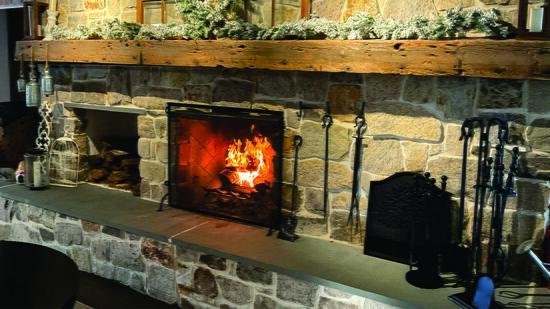
A fireplace offers something timeless in a modern home. It creates a natural place to gather, a visual anchor that draws people together and slows the pace of everyday life. The glow of a fire adds warmth that goes beyond temperature, bringing comfort, calm, and a sense of belonging to a room. Whether it’s the crackle of burning wood on a winter evening or the soft flames of a gas fire after a long day, a fireplace turns ordinary moments into shared experiences and makes a house feel undeniably like home.
Addressing fireplace issues is essential to keeping that experience cozy, reliable, and enjoyable. Fireplaces and chimneys are exposed to intense heat, moisture, and constant airflow, which can lead to worn liners, deteriorating masonry, draft problems, or venting concerns over time. Left uncorrected, these issues can reduce efficiency or create risks, including smoke intrusion, carbon monoxide exposure, or chimney fires. Gas and wood inserts are an excellent solution when a traditional open fireplace underperforms or shows signs of age. Inserts are designed to fit directly into the existing fireplace opening, sealing off inefficiencies and converting the space into a powerful, controlled heat source. Gas inserts offer convenience and consistency with real flames and minimal maintenance, while wood inserts provide robust heat, energy independence, and the unmatched ambiance of a real wood fire, all while dramatically improving efficiency.
Fireplace cleaning is another critical part of ownership, and it’s often misunderstood. Cleaning means more than removing ashes from the firebox; it involves inspecting and removing soot, debris, and creosote buildup from the chimney and flue system. Creosote is a flammable byproduct of wood combustion and is the leading cause of chimney fires when allowed to accumulate. Wood-burning fireplaces and inserts should be professionally inspected and cleaned at least once a year, typically before the heating season. Gas fireplaces require less frequent cleaning, but annual service is still recommended to ensure burners, vents, and safety systems are operating properly. Regular cleaning improves performance, extends the life of the system, and provides peace of mind every time the fireplace is used.
The type of wood you burn also plays a significant role in how your fireplace performs. Hardwoods such as oak, maple, ash, and hickory are ideal for heating because they burn longer, produce more heat, and create steady fires. Oak offers excellent heat output but requires proper seasoning, while maple and ash ignite more easily and burn cleanly. Hickory burns especially hot and long, making it best when mixed with other hardwoods. Softwoods like pine and fir are useful for kindling and starting fires because they ignite quickly, but they burn fast and produce more creosote, making them less suitable for extended burns. Regardless of the species, all firewood should be properly seasoned—usually dried for six to twelve months—to ensure clean, efficient combustion and minimize chimney buildup.
When cared for properly, a fireplace becomes more than a design feature, it becomes a trusted source of warmth, comfort, and connection. With regular maintenance, the right fuel, and thoughtful upgrades like gas or wood inserts, your fireplace can safely and efficiently serve as the heart of your home for years to come.
For over 30 years, Chimney Cricket has restored, repaired, and safeguarded Philadelphia-area chimneys with expert inspections, sweeping, leak prevention, and historic masonry work, keeping aging fireplaces safe, efficient, and beautifully preserved so homes remain warm, protected, and true to their architectural character.
chimneycricket.net