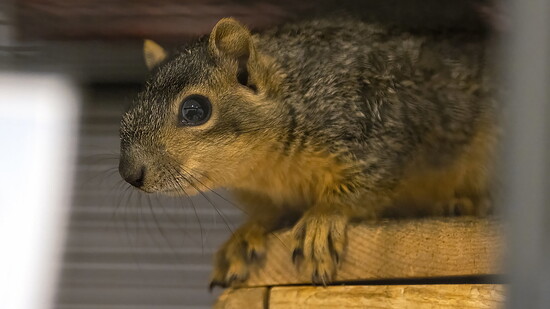
In Castle Rock, our pets don’t just share our homes, they share our neighborhoods with wildlife. Whether it’s your dog on a trail, your cat watching birds through the window, or a curious pup sniffing along the fence line, our pets are constantly interacting with the natural world around them. In a community surrounded by open space, those interactions are happening more than we realize.
As neighborhoods expand into wildlife habitat, pets and wild animals cross paths more than ever. These encounters don’t just affect wildlife; they directly impact the health and safety of our dogs and cats. Pets and wildlife are deeply connected. They can unintentionally harm each other through disease, parasites, stress, and habitat disruption. Understanding that relationship is one of the most important steps toward keeping both safe.
Most harm to wildlife comes from ordinary moments. A dog chasing “just for fun.” A cat slipping out for a short wander. A curious nose in the bushes. For wildlife, those moments can be life changing. An unleashed dog doesn’t just startle a deer or flush a bird—it can separate parents from babies, burn needed energy, or push animals out of their only safe shelter. Even a brief chase can lead to exhaustion, injury, or death. Cats hunt because it’s their instinct. One cat can quietly erase an entire backyard ecosystem without the owner ever knowing. Unvaccinated pets carry diseases and parasites that wildlife have no defense against. Protecting your pets also protects wildlife. Vaccines, parasite prevention, leashes, and supervision don’t just keep your pet safe—they help keep the wild in balance. When we care for one, we protect both.
How to Keep Pets (and Wildlife) Safe
- Keep dogs leashed in open space and wildlife areas
- Keep cats indoors or in enclosed outdoor “catios”
- Keep pets current on vaccines and parasite prevention
- Do not leave pet food outside
- Supervise pets, especially at dawn and dusk
- Never allow pets to approach or harass wildlife
Clearing Up Common Myths
- Do hawks or owls really carry off small dogs and cats?
- No. While raptors may investigate very small animals, they cannot lift or carry away pets. Attacks on dogs or cats are extremely rare and almost always involve defensive behavior near a nest.
- Will a fox kill and eat your dog or cat?
- No. Foxes are really quite small, often weighing less than a house cat. They avoid people and pets. They will, however, go after unsecured poultry, eggs, or food left outdoors.
- Does relocating wildlife protect my pets?
- Not really. Relocating wildlife is not a solution, it’s usually a death sentence. Wild animals rely on familiar territory to survive. When moved, they often die from starvation, exposure, predators, or fights with resident animals. If your yard is good habitat, another animal will move right back in.
Coexistence doesn’t mean choosing wildlife over pets or pets over wildlife. It's recognizing that we all share the same landscape and taking responsibility for how our choices affect the world around us. Fear often leads to wildlife being harmed unnecessarily. Most conflicts happen because animals are protecting territory, young, or food—not because they see pets as prey. In a place as wild and beautiful as Castle Rock, learning to live alongside nature isn’t just a privilege, it’s part of what makes this community home.
"Emily M. Davenport—a Certified Wildlife Rehabilitator (CWR) and Registered Veterinary Technician (RVT) with nearly 20 years of veterinary and wildlife care experience—is the Founder and Executive Director of the Rocky Mountain Wildlife Alliance. Through this Colorado-based nonprofit, she focuses on wildlife rehabilitation, conservation, and community education. Specializing in raptors and native wildlife, Emily champions evidence-based rehabilitation practices, collaboration within the conservation community, and inspiring public stewardship of wild places."
“When we protect our pets, we protect wildlife. When we protect wildlife, we’re protecting the community we all depend on. It's all connected.”