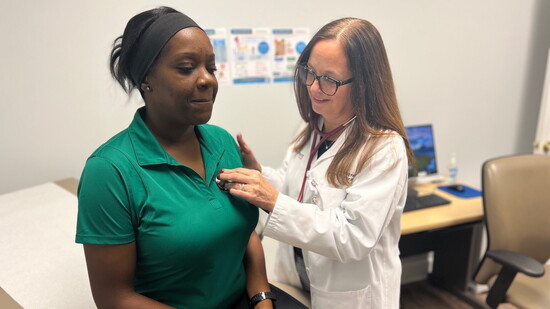
Hypertension is a risk factor for both heart disease and stroke. Also known as high blood pressure, hypertension is caused primarily by lifestyle factors such as stress, smoking, lack of exercise, and a poor diet. It can also be linked to genetics, kidney disease, and sleep apnea. With high blood pressure, the arteries may have an increased resistance against the flow of blood, causing the heart to pump harder to circulate the blood. People are encouraged to maintain regular physicals with primary care physicians and consider screenings for hypertension to detect issues early.
“High blood pressure is theoretically easy to treat, but in reality, it can be quite difficult,” said Barb Conlon, NP, Piedmont Heart.” “A combination of lifestyle changes and medications can keep hypertension under control and help to prevent future adverse outcomes.”
Screenings are recommended once a year for adults ages 40 and older, as well as adults at increased risk for hypertension, such as Black persons, persons with high-normal blood pressure, or persons who are overweight or obese. For adults aged 18 to 39 who are not at increased risk for hypertension, screenings are recommended every three to five years.
Conlon stated that it is essential for people to know their blood pressure numbers. According to the American Heart Association, a normal blood pressure is estimated to be about 120/80 mmHg, and a blood pressure of 130/80 and above is considered hypertension. Symptoms of hypertension include severe headaches, shortness of breath, and nosebleeds. Unfortunately, the majority of those afflicted by high blood pressure don’t display symptoms until things start getting serious. Uncontrolled blood pressure can lead to an enlarged heart, kidney disease, and/or a stroke.
In addition to regular screenings, cardiologists suggest reducing your risk for hypertension by limiting alcohol consumption, reducing salt intake, exercising more frequently, and maintaining a healthy weight. The Dottie Fuqua Women’s Heart Support Network, established in the Fayette community through the generosity of Fayetteville resident and former Piedmont Foundation and Piedmont Fayette Hospital board member Vicki Turner in 2018, has offered classes and programs focused on proper nutrition, mind-body wellness, and movement.
“A large number of women have at least one risk factor for heart disease," said Conlon. “An estimated 80-90% of cardiac events can be prevented through education and lifestyle changes. I believe that the Women’s Heart Support Network has made a tremendous impact on the lives of women throughout Fayette County and metro Atlanta.”
If you are diagnosed with hypertension, it is also important to follow your provider’s recommendations, which may include lifestyle adjustments and prescribed medications. To avoid hypertension, it is recommended to follow a low-sodium, low-caffeine diet with 150 minutes of exercise a week.
Visit piedmont.org/heart to learn more about hypertension, cardiovascular issues, and the Women’s Heart Support Network.
About Piedmont
Piedmont is empowering Georgians by changing health care. We continue to fuel Georgia’s growth through safe, cost-effective, high-quality care close to home through an integrated health care system that provides a hassle-free, unified experience. We are a private, not-for-profit organization with more than 12,000 donors annually that for centuries has sought to make a positive difference in every life we touch in the communities we serve.