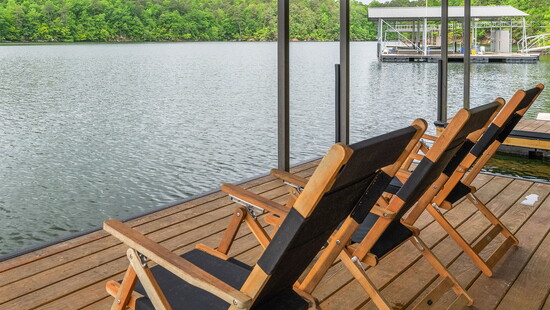
For many families in Williamson County, owning a lake property has long represented a dream. It’s the place where summer weekends stretch a little longer, where kids jump off docks while parents gather around a firepit, and where the pace of life slows down just enough to reconnect. Traditionally, lake homes have been viewed as second homes, places primarily purchased for lifestyle and enjoyment. But according to real estate advisor Jim Young, that mindset has been evolving. “I’ve seen a noticeable shift in how many successful professionals and business owners are thinking about these properties,” Young said. “Increasingly, lake homes are being considered not just as retreats, but as strategic lifestyle investments.”
Young explained that today’s buyers are more financially sophisticated than ever. Many are looking for ways to diversify beyond traditional investments while still purchasing something that enhances their quality of life. “Lake property can offer a unique combination of lifestyle value, long-term appreciation potential, and strategic tax advantages,” Young said. The conversation, he noted, almost always starts with lifestyle.
“Buyers imagine early mornings with coffee overlooking the water, long summer afternoons boating with friends, and holidays where the whole family gathers in one place,” Young said. “Those experiences are still the primary reason people buy lake homes, and they should be. Real estate should never be purchased solely for tax reasons.”
However, Young said many buyers are discovering that the right property can serve multiple purposes. “In certain situations, a lake property that is used as a short-term rental may qualify for enhanced depreciation treatment under current tax rules,” Young explained. “When structured properly and coordinated with a knowledgeable CPA, this can potentially allow owners to accelerate depreciation on the property, creating meaningful tax advantages especially in the early years of ownership.”
For high-income earners, this can make a significant difference. “Instead of viewing a lake home purely as an expense, buyers can sometimes offset a large portion of their taxable income while still enjoying the property themselves,” Young said. “In other words, the property becomes both a lifestyle asset and a strategic investment.”
According to Young, one of the most important steps happens before a buyer ever makes an offer. “The key is planning early,” he said. “One of the most common mistakes I see is buyers falling in love with a property first and only later exploring how it might be structured from a financial standpoint. Ideally, those conversations should happen before an offer is ever made.” Buyers who approach lake property ownership strategically often consider several important questions up front. “How often will the family use the property personally? Should the home be rented during peak seasons? What are the local regulations around short-term rentals? How might the purchase be structured to align with broader financial goals?” Young said.
Another factor driving interest in lake properties is the shift in how people work and live today. “Remote work and flexible schedules have made it easier for families to spend extended time away from their primary residence,” Young said. “Many lake homeowners now find themselves using their properties far more often than they initially expected.” At the same time, technology has changed how owners manage their properties.
“Short-term rental platforms have made it easier than ever to generate income from properties when they are not being used by the owners themselves,” Young said. “The combination of these trends has created a new category of buyer, someone who wants both lifestyle and financial intelligence in their real estate decisions.“These buyers,” he said, “are thinking beyond the traditional vacation home.” “They aren’t simply purchasing a vacation home,” Young said. “They’re building a long-term asset that can serve their family today while also contributing to their broader financial picture.”
Young speaks from personal experience. “As both a lake property owner and a short-term rental investor and manager myself, I understand the emotional side of the purchase as well as the operational side,” he said. “Owning a lake home is incredibly rewarding, but it also requires thoughtful planning if the goal is to maximize both enjoyment and financial efficiency.” When the right property is selected and structured properly, he said, the results can be powerful. “It can create a powerful combination, a place where families build lifelong memories while also owning a tangible asset with long-term value,” Young said.
For many Williamson County families, the idea of owning a lake home has always been appealing. But according to Young, the conversation around lake property is changing. “Today, the conversation is evolving,” he said. “It’s no longer just about buying a getaway. It’s about owning lifestyle real estate that pays for itself". “If you’ve been thinking about owning a lake retreat,” he said, “the conversation today is not just about where to buy, but how to structure it intelligently.”
About Jim Young
Jim Young is a real estate agent/advisor/investor based in Williamson County and an active lake property owner, short-term rental investor and manager. He works with clients who want to combine lifestyle real estate with thoughtful long-term strategy, helping buyers evaluate lake properties with both enjoyment and financial structure in mind.