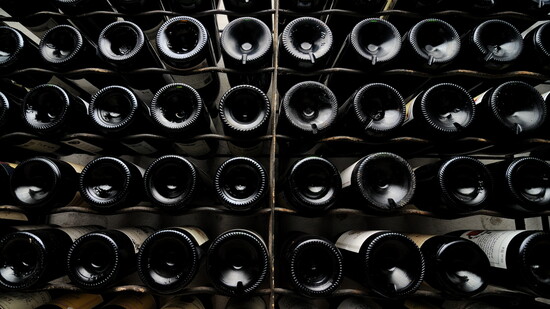
In a world where traditional investments dominate headlines, an increasingly sophisticated group of investors is quietly building wealth through something far more sensory: fine wine. Once viewed as the domain of collectors and connoisseurs, wine investing has evolved into a legitimate alternative asset class, blending lifestyle pleasure with long-term financial strategy. For those willing to learn its nuances, investing in wine offers a rare opportunity to enjoy both the journey and the return. It may not be Bitcoin or stock in your favorite tech giant, but at least you can hold a fine bottle of wine in your hand.
The Appeal of Wine as an Asset
Unlike most investments, wine engages all five senses. It can be admired, shared, celebrated, and, when the time is right, sold. Fine wine is inherently limited, so each vintage represents a fixed supply that diminishes as bottles are consumed. Drink it and you’re literally creating a more rare product. How about that logic? This natural scarcity, combined with global demand is what drives long-term investment value.
Top-tier wines from regions such as Bordeaux, Burgundy, Napa Valley, and Piedmont have shown consistent appreciation over decades. In some cases, rare bottles have outperformed traditional financial markets, especially during periods of economic uncertainty. When equities fluctuate and currencies weaken, tangible luxury assets like wine, watches, and classic cars often retain their allure.
Beyond returns, wine investing appeals to those who value heritage, history and storytelling. Each different bottle represents winemaking philosophy, climate conditions, and even a regional tradition. For many investors, that narrative is as rewarding as the profit.
Most wine investors begin as enthusiasts. They taste widely, read extensively, and learn to recognize quality long before they buy for profit. This foundation is crucial. While financial platforms and indices now track wine performance, intuition and experience remain invaluable.
Viewing wine first as a hobby protects investors from short-term thinking. If a bottle fails to appreciate as expected, it can still be enjoyed at the dinner table. This dual-purpose nature makes wine uniquely forgiving compared to purely financial instruments. Collectors who immerse themselves in tastings, vineyard visits, and auctions develop a refined sense of value that no algorithm can replicate. Over time, this knowledge becomes their most valuable asset.
Not every bottle belongs in an investment portfolio, as investment-grade” wines typically share these traits:
- Proven Producers: Established estates with long track records
- Limited Production: Scarcity drives demand
- Critical Acclaim: High scores and media attention increase visibility
- Strong Provenance: Documented storage and ownership history
- Global Demand: Especially in Europe, Asia, and North America
Wines from celebrated vintages and iconic producers command premiums because buyers trust their longevity. In the wine world reputation matters in a huge way!
Proper storage is perhaps the most overlooked aspect of wine investing and the most critical. Heat, light, and vibration can destroy a bottle’s value. Serious investors rely on professional storage facilities that maintain precise temperature and humidity. A perfectly chosen bottle stored improperly may become worthless. Conversely, a well-kept collection gains credibility and liquidity. Many buyers today will not consider a purchase without verified storage records.
Most investors enter the market through reputable merchants, auction houses, or specialized platforms. Primary market purchases (buying wines right when they are released) often offer the best entry prices. Secondary markets provide access to mature, proven bottles, but at higher costs. As wine is generally a long-term investment, holding periods of five to twenty years are common. Then selling often occurs by auctions, private brokers, or digital marketplaces.
Despite its glamour, wine investing is not without risk. Market tastes shift, and economic downturns often affect luxury spending. Additionally, counterfeit bottles remain an ongoing concern. Liquidity, while improving, is still lower than traditional assets. But…you can always drink it!
Beyond balance sheets, wine investing offers something rare: cultural capital. Collectors become part of a global community of sommeliers, winemakers, and enthusiasts, and gain access to exclusive tastings, private cellars, and historic estates. Sharing a perfectly matured bottle with friends or clients carries social value that no spreadsheet can measure. A thoughtfully curated wine collection can open doors. This sort of cultural dividend is part of what makes wine so compelling. It enriches relationships while building wealth.
In an era dominated by digital assets, wine is still profoundly human. It connects friends and generations through shared appreciation. For those willing to study the craft, respect the risks, and savor the process, wine investing is not merely about building wealth. It is about cultivating a life well lived… One exceptional bottle at a time.