When things become a little loud—when the constant hum of technology feels too consuming—I find myself reaching for my keys.
The mouth of the canyon is unpretentious but familiar. A blanket of snow or wildflowers or flame-colored leaves grazes the edge of the creek, beckoning me forward through the nine-mile stretch until I reach a familiar trail or picnic spot.
My neighbors are there. Camaraderie and quiet exist in the same radius. Carefree dogs hang their heads out of Subarus and children walk barefoot through shallow water. Cyclists whiz by and fly fishermen tie their wading boots.
The canyon has ushered many into new chapters. Childhood picnics, fireside gatherings with other hormone-plagued teenagers, get-to-know-you walks with first dates, and teaching children to skip rocks in the same creek where they once learned.
It changes with us. New blooms of springtime, sunlit summer evenings, and the muted hues of winter—all return year after year, as do we, even as we arrive as slightly different versions of ourselves.
Millcreek Canyon is not just a place we visit; it’s a second home—a sweet reprieve from meetings and carpool duties and Instagram likes. And while it may not be Utah’s grandest canyon in scale, there is something charming about its accessibility and ease.
No fancy gear or thought-out plan is required to take in the scent of fir and pine trees that flank the trails; it’s ingrained in the local rhythm of life.
But on the days you truly want to retreat, there are trails like Pipeline or Desolation that can unearth a bit of awe, and the sweeping aspen groves and patches of Indian paintbrush do just that.
Now a second home for those seeking solitude or recreation, the canyon itself was once the center of existence. Its formations and creekbeds have long held the key to survival—even before it was known as Millcreek.
The Shoshone people called the canyon “Tempin-Tekkoappah,” meaning “rock trap.” Historians believe the name stems from the jutting terrain and narrow passages that allowed the Shoshone to gather their game into natural corrals.
Pioneers who settled the valley in the mid-1800s relied on the canyon’s natural water flow and vegetation to build sawmills, appropriately naming it Mill Creek. The communities that grew beneath the canyon would eventually inherit the name as well.
Though the city surrounding it has transformed into something more fast-paced and autonomous, the canyon still draws people in for the same reason it always has: it offers stillness.
And the appeal of the canyon is not just the landscape that crescendos as you scale upward. It’s the unique culture and charm that set it apart from other destinations.
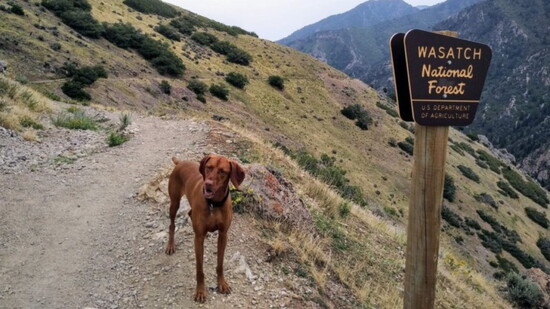
Every other day, the canyon belongs as much to our furry companions as it does to us. In a law that is as quirky as it is practical, dogs are allowed off leash when the calendar falls on an odd number.
In winter months, the upper gate is closed to traffic, and instead, the season transforms the area into a snowy playground. Snowshoers and skiers skate across wintry corridors while parents pull bundled children with pink noses on sleds.
Whether it’s a celebratory dinner behind rustic walls or a misty morning jog, the canyon has a way of weaving itself into both our everyday routines and our milestone moments.
As Millcreek residents—as Utahns—Millcreek Canyon is a place that defines us. Not just because it’s lovely, though it is that, but because it’s our history, our daily life, and what we seek when things become a little too loud.