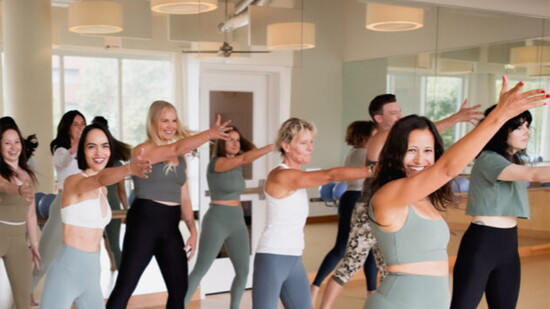
In today’s fast-paced fitness culture, it’s easy to view workouts as a checklist item—something to power through, track, and finish as quickly as possible. Rather than approaching your fitness goals this year with the same old approach, take a moment to consider a full-body workout method that blends strength conditioning, cardio, and mindfulness to create balance not just in the body, but in the mind as well.
Why Mindfulness Matters in Movement
Mindfulness—the practice of paying attention on purpose—has been shown to reduce stress, improve focus, and support emotional well-being. When applied to physical fitness, it deepens the connection between body and mind, helping people move more effectively and sustainably.
Instead of pushing through discomfort or comparing yourself to the person next to you, mindfulness invites curiosity and compassion. It’s about noticing the sensations in your muscles, your breath, and your posture while adjusting as needed. That might mean taking a smaller range of motion one day or finding stillness in a posture to reconnect with your breath. This self-awareness not only prevents injury but also cultivates confidence and self-trust—qualities that extend far beyond the gym or studio walls.
Building Strength from the Inside Out
An approach to strength is deeply rooted in mindful alignment. Each movement, whether it’s a pulse at the barre or a deep squat flow, is intentionally designed to activate stabilizing muscles and support long-term joint health. The inclusion of breath work is another essential piece. Breath acts as both an anchor and a source of energy, helping you stay present while supporting endurance and recovery. By linking breath to movement, one learns to listen to their bodies’ cues and work with them, not against them.
A Workout that Translates into Daily Life
What makes a workout like this unique is that the mindfulness cultivated between body and spirit doesn’t stop at the end of your workout. The principles of awareness, balance, and presence naturally begin to shape the way people approach their everyday lives—how they sit at a desk, manage stress, or engage in relationships. Movement becomes a form of self-care rather than self-discipline.
In a world that often celebrates hustle and intensity, your fitness routine can cultivate a different kind of strength—one built on compassion, awareness, and balance. It reminds us that fitness isn’t just about sculpting muscles or burning calories; it’s about coming home to your body, one mindful movement at a time.
In a world that often celebrates hustle and intensity, your fitness routine can cultivate a different kind of strength—one built on compassion, awareness, and balance.