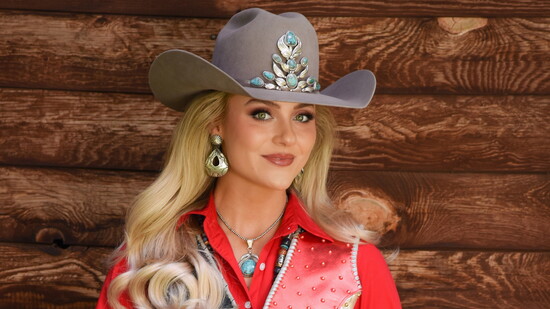
As the 2026 Miss Rodeo Colorado, Lindsey Fancher-Rule carries a title that is often misunderstood at first glance—polished, poised, and too easily reduced to pageantry. In reality, the crown represents something far more layered. For Lindsey, it reflects a lifetime rooted in agriculture, a responsibility she has worked toward for years, and a role she now carries with both purpose and perspective.
Raised on her family’s ranch in Loveland, Lindsey grew up immersed in the Western way of life, helping raise horses, beef cattle, and bucking bulls while spending her early years behind the chutes at rodeos alongside her family. That foundation shaped both her experience and her voice, grounding her in the realities of an industry she now represents. When she was crowned Miss Rodeo Colorado 2026 at the Greeley Stampede, it marked the realization of a lifelong goal grounded in heritage and hard work.
But the title she carries today demands far more than tradition.
It requires a working knowledge of agriculture, horsemanship, veterinary science, policy, and public engagement, all brought to life through a year spent traveling the state as both a representative and an advocate. The work is not symbolic. It is deeply connected to a moment that matters.
Agriculture, long the backbone of Colorado, now sits in a complex position. Nearly 39,000 farms and ranches operate across the state, yet fewer than 2% of residents are directly involved in producing the food that sustains the other 98%. That disconnect shapes how agriculture is understood and supported, often influencing decisions far removed from the communities most affected.
For Lindsey, that gap is personal. It drives her platform, “Why We Ride,” which encourages others to reconnect with the purpose behind rodeo and agriculture and find their place within it. As she moves between classrooms, community events, and rodeos across Colorado, her role becomes one of translation, making a way of life that many no longer experience firsthand visible, approachable, and relevant again.
That work is especially important as pressures on agriculture continue to mount. Water rights remain one of the state’s most complex challenges, farmland continues to give way to development, and policy decisions are often shaped far from the communities they most directly affect. The result is a widening rural-urban divide.
Lindsey steps into that space not as a spokesperson from a distance, but as someone who has lived it.
Often, the most powerful way she connects those worlds is through rodeo itself.
While many see it as entertainment, rodeo is a living demonstration of the skills still used on working ranches today. Each event reflects a real task, from safely handling livestock to training horses for daily work, creating a rare point of intersection where urban and rural Colorado share the same experience.
Events like the Greeley Stampede and the Loveland Rodeo extend that impact further, especially through youth livestock programs and 4-H exhibitions that introduce the next generation to agriculture in a tangible way. For Lindsey, these are opportunities to create connection, spark curiosity, and begin closing a gap that continues to widen.
Her year will culminate on one of the largest stages in the sport, the Miss Rodeo America pageant alongside the National Finals Rodeo, but the significance of her role is found in everything leading up to it—miles traveled, conversations started, and perspectives slowly shifting.
At its core, Lindsey’s work is about advocating for the future of an industry she has known her entire life and ensuring that it remains visible and understood.