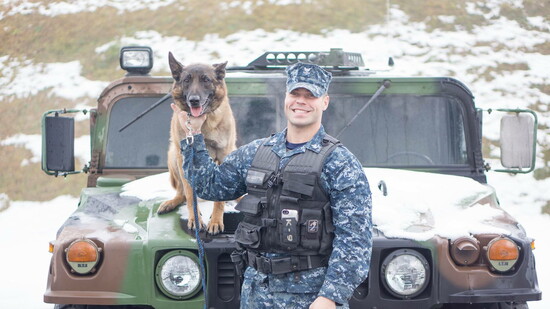
Tucked away in Magnolia, Texas, surrounded by quiet countryside and open skies, retired military and working dogs are discovering something many of them have never fully experienced before: life beyond service. At the rehabilitation facility operated by Mission K9 Rescue, highly trained canines once tasked with detecting explosives, patrolling military bases, or protecting handlers overseas are now learning how to simply be dogs.
Since 2013, Mission K9 Rescue has dedicated itself to ensuring retired military and working dogs receive the dignity, medical care, and loving homes they deserve after years of service. What began as a mission to reunite military dogs with their former handlers has evolved into a global rescue organization supporting retired dogs from the military, police departments, TSA units, border patrol, and international working contracts.
Inside the Magnolia facility, the transformation is remarkable. Dogs accustomed to rigid schedules and constant commands slowly adjust to soft beds, toys, treats, and affection. For many, it is the first time they have experienced the rhythms of family life.
Founder Kristen Mauer never intended to build an internationally recognized rescue organization. Her journey began volunteering at a local animal shelter before one unforgettable dog changed everything. A white German Shepherd named Roxie became one of her earliest experiences working with highly trained K9s. “So smart and very special,” Kris recalls. “Nothing was ever planned.”
The dogs Mission K9 Rescue serves are elite working animals trained for specialized roles including narcotics detection, explosives detection, patrol operations, and dual-purpose assignments. "On the contrary, to popular misconceptions, these dogs are not trained using narcotics or explosives themselves. Instead, handlers use reward-based systems built around toys and play, creating extraordinary drive, discipline, and focus." noted Mauer.
Retirement often arrives between six and 13 years old, depending on the dog’s physical condition and assignment history. Throughout their careers, handlers may come and go as military orders change, while the dogs remain stationed in place. When retirement approaches, former handlers are given the opportunity to adopt their canine partners, though in many cases multiple handlers may have worked alongside the same dog over the years.
Mission K9 Rescue became especially vital before recent military regulation changes helped streamline the process of bringing retired military dogs back to the United States. While some military branches handled reunifications internally, organizations like Mission K9 Rescue often stepped in to coordinate international transport, veterinary care, and adoption placement for dogs returning from overseas assignments.
The transition from service life to home life is rarely immediate. Many retired working dogs arrive carrying physical and emotional scars from years in demanding environments. Anxiety, PTSD, joint deterioration, tumors, and chronic medical conditions are common challenges. Each dog receives individualized rehabilitation and veterinary support tailored to their needs.
“Each dog is different, just like humans are different,” Kristen explains.
Adopters are carefully matched based on lifestyle, home environment, and energy levels. The organization does not publicly list dogs online. Instead, adoption coordinators work personally with families to identify compatible matches, often presenting several carefully selected options. Families are encouraged to give the dogs time and patience as they adjust to their new surroundings.
That thoughtful approach has resulted in an extraordinary 98 percent adoption success rate. To date, Mission K9 Rescue has reunited nearly 800 canine-handler teams while placing hundreds more into loving homes across the country.
The financial commitment behind the mission is immense. Monthly food expenses alone average roughly $3,500, while annual veterinary costs exceed $200,000. International rescue missions can surpass $30,000 for only a handful of dogs once flights, cargo fees, permits, and medical clearances are included. Yet the organization continues working tirelessly to bring dogs home from countries including Kuwait, Turkey, Bosnia, and Yemen.
For many families, these retired working dogs become far more than pets. Nancy Southerland witnessed that transformation firsthand through her son Michael’s bond with a retired K9 named Auten.
“What we thought we were doing was saving an old retired working dog,” she says. “From day one, Auten plowed straight into Michael’s life like he had finally found his soulmate.”
The connection changed both lives. Auten gave Michael comfort, stability, and unconditional companionship. In return, Michael gave the aging dog a peaceful home, love, and belonging.
“I truly believe rescue works both ways,” Nancy says.
At Mission K9 Rescue, that belief lives in every reunion, every adoption, and every retired hero finally finding rest after a lifetime of service.