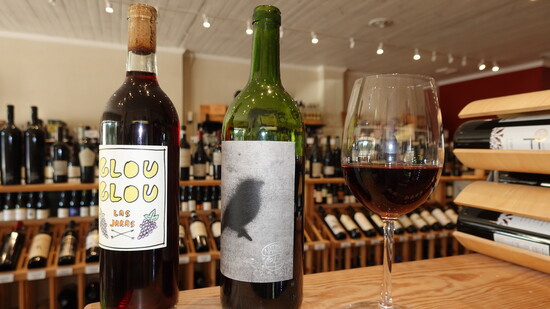
Many of you probably enjoyed, or are still enjoying, some sparkling wine over the
holidays and are perhaps looking to this new year transition to be a little healthier. That
can mean abstaining from alcohol, or maybe just less alcohol. It may sound odd,
coming from a wine writer, but I am a big proponent of drinking less wine. You read that
correctly. I advocate for drinking less wine. Instead drink better quality wine, as the
experience will reward you.
What if you could drink healthier? Is there such a thing? Natural wine sounds healthy, or
at least healthier. Could the answer be this simple? Let’s talk about natural wine; what it
really is, and if it is worth pouring into your glass.
According to several Masters of Wine “Natural Wine” is generally accepted to be wine
made from organically farmed grapes, using naturally occurring yeast while not using
processing aides, additives, fining or filtration. So far natural wine sounds great, right?
Well, it sounds great until you start breaking it down. The truth is that no wine is exactly
natural. Wine is a human-made product and cannot exist in the vacuum of an idyllic
natural world. However, what we do find in a good bottle of wine are the toiles of hard
work, cultural identity, and craftsmanship.
We can see here the first inherent problem with calling a wine “Natural Wine,” because
no wine is truly natural, yet the biggest problem is not with the logic, it is with the law.
Not only is “Natural Wine” not clearly defined across the wine industry, it does not have
a legal definition anywhere, so it isn’t regulated! Anyone can legally call their wine
natural wine, and that’s where the caution flag raises.
Historically, the natural wine movement was started by four vineyard owners in
Beaujolais France back in the 1970s, as these four winemakers wanted to move away
from industrial wine making. They were known as the “Gang of Four,” and their goal was
to make a better product for the market. I, along with many others, argue that what they
really started was the “Low Intervention” wine movement.
The problem with low intervention wines is their flavor profile can really be all over the
place and often makes for a pretty funky taste. This is not to say that they all taste bad,
but they lack consistency. These wines can also be cloudy with small bits of sediment
left over from the wine making process. Well, you might say “at least you can’t add anything to them.” Well, you aren’t supposed to… but you can, and one of those things
that you can add are sulfites. The word alone should conjure up about everything bad
that you think is in a bottle of wine. But not so fast.
Sulfites are the single biggest scapegoat for wine drinkers. Not only can sulfites still be
added to supposedly natural wine (on average up to 50 milligrams per liter), but SO2
occurs naturally as a product of fermentation. Sulfites are part of the natural wine
making process. If you think sulfites are the problem then you should stay away from
dried fruits like raisins and apricots, most jellies and jams, shrimp, lobster, sauerkraut,
kimchi, onions, garlic, beer, and, yes, even your favorite soft drinks! All have naturally
occurring or added sulfites. So, sulfites are not the smoking gun here.
The main issue I have with most natural wine is the inherent false pretext that it imbues.
I have had some pretty good “Natty Wine,” but none have been great. If you are looking
for truer expressions of truly natural wine you will have to do a bit of research. There are
smaller wineries that print “Natural” on their label who are fully organic but they don’t
have the income to pay for the certification. The big difference is that these wineries
adhere to “Regulated/Legal Wine” practices and are technically low intervention wines.
That is the key. If you are looking for a better wine experience in the new year, then look
for wines that are part of a regulated wine region (DOC), and are either certified organic,
biodynamic, or verifiable low intervention. Don’t be afraid to experiment, just be
educated and don’t fall for a pretty label. Cheers to the new year!
Article by Alex Boykin
Photography by Alex Boykin
Originally published in Pensacola City Lifestyle