The 2026 growing season is officially in the books, and it was certainly a challenging one. Record high temperatures, ongoing drought, and local water restrictions tested our gardens every step of the way. However, the summer heat did bring us one delightful win: melons! Melons thrive in high heat, which allowed their natural sugars to fully develop into extra-sweet, ripe fruit—a rare treat for local gardeners.
Here in Castle Rock (USDA Hardiness Zone 5b), our average first fall frost occurs in late September to early October. As a general rule, it is best to put your garden and landscape to bed before the first hard freeze hits. Use this checklist to winterize your property:
-
Harvest Cold-Hardy Crops: Pull up remaining vegetables such as kale, spinach, carrots, and beets.
-
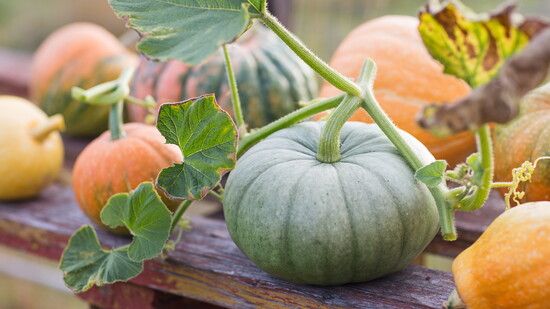
Manage Winter Squash: Pumpkins that have already started turning orange will continue to color indoors. However, like other winter squash, they will stop ripening once severed from the vine.
-
Plant Garlic: October is the ideal time to plant garlic cloves directly into the ground so they can establish roots before the winter freeze and sprout early next spring.
-
Clear Summer Debris: Remove leftover summer plant material. Diseased foliage left in the soil can harbour fungal spores and pests, infecting next year’s crops.
-
Plant Spring-Blooming Bulbs: Tulips are stunning, but local wildlife finds them tasty. If deer frequent your yard, choose critter-resistant options like daffodils and alliums.
-
Protect Young Trees: Wrap the trunks of newly planted trees to guard against frost cracking and snow damage. This barrier also protects tender bark from rubbing during the autumn deer rut.
-
Scale Back Irrigation: Reduce summer watering levels by 60%. Be sure to run your system long enough per cycle so moisture penetrates deep into the root zone.
-
Plan for Winter Hose-Watering: Sprinklers should be blown out in early November to prevent frozen lines. During extended dry spells in winter (periods receiving less than an inch of precipitation), attach a hose to water tree and shrub roots deeply on warm days.
-
Mulch Garden Beds: Apply a 2- to 3-inch layer of organic mulch around trees, shrubs, and perennial beds to insulate root systems against extreme soil temperatures.
Gardening is more than a lifestyle—it’s a passion cultivated over 25 years in landscape design. I cherish every moment spent nurturing the earth, watching beauty unfold, and sharing nature’s bounty. From vibrant blooms to fresh harvests, my hope is to inspire you to step outside, breathe deeply, and grow with intention.
Let’s create something beautiful—together. Happy Gardening!