When we talk about investment in Temecula, we often begin with what is visible — new construction, expanding business districts, rising property values, the steady rhythm of a city in motion. Growth is tangible. It signals confidence. It reflects belief in what lies ahead.
But the truest measure of a community’s strength is not found only in what it builds.
It is also found in what it chooses to protect.
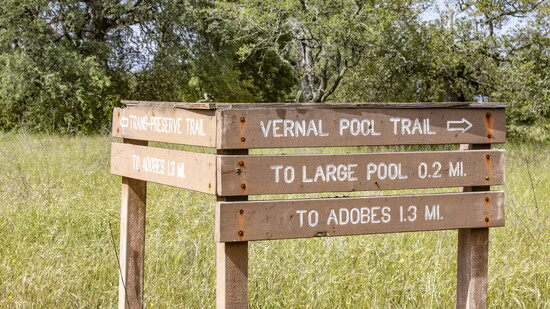
Beneath our wide Southern California skies, just beyond the pace of daily schedules and development plans, lies open land that tells a quieter story about value. The Santa Rosa Plateau Ecological Reserve — and the preserved spaces that surround our region — represent a different kind of investment strategy. One rooted not in acceleration, but in endurance.
Open space does not generate immediate revenue. It does not maximize square footage. It does not promise rapid return.
And yet, it may be our most enduring asset.
To preserve land is to practice discipline. It requires foresight — the willingness to look beyond the next five years and consider the next fifty. It demands restraint in moments when expansion feels easier. It reflects an understanding that growth without balance can compromise the very qualities that made a place desirable in the first place.
Temecula’s identity has always been intertwined with land — with ranching heritage, vineyard rows, and wide horizons that remind us where we are. As our city continues to evolve, that connection becomes even more important. Open space offers more than recreation. It provides equilibrium.
In the language of finance, the strongest portfolios are diversified. They balance risk and stability, short-term gain and long-term security. A thriving city must do the same. Commercial development fuels opportunity. Housing supports families. Infrastructure enables progress. But preserved land anchors us.
It strengthens public health. It supports ecological systems. It cultivates mental clarity in ways we are only beginning to quantify. It becomes the backdrop for childhood memories, community gatherings, and personal recalibration.
Time outdoors is not idle. It is restorative capital.
When we step onto a dirt trail beneath open sky, when we allow an afternoon to unfold without urgency, we are not withdrawing from productivity — we are replenishing it. Leaders think more clearly after time in nature. Families reconnect more easily without distraction. Individuals return to their work steadier, healthier, more focused.
The return may not appear on a spreadsheet, but it accumulates nonetheless.
In an era defined by speed and visibility, choosing to value open land is a statement of confidence. It says we are not merely chasing growth; we are shaping it. It affirms that prosperity is not measured solely by expansion, but by sustainability.
The Santa Rosa Plateau stands as a visible reminder of that philosophy — land intentionally preserved so that future generations may experience the same horizon we see today. Its presence is not accidental. It exists because someone believed that protecting it would matter.
And it does.
As we dedicate this issue to investment, we find ourselves expanding the definition. Yes, we celebrate entrepreneurship, innovation, and strategic growth. But we also honor the quieter investments — in health, in stewardship, in time spent under open sky.
Because the most enduring assets are often the ones that cannot be sold.
They are held in trust.
They shape the character of a place long after trends shift and markets fluctuate. They ground us in perspective. They remind us that success is not only about what we accumulate, but about what we sustain.
In Temecula, our open land is more than scenery.
It is a declaration.
And in choosing to protect it — and to spend time within it — we continue to invest in a future defined not just by growth, but by wisdom.
Access to preserved land reduces stress, supports ecological resilience, and reinforces the stability that thriving communities depend on.