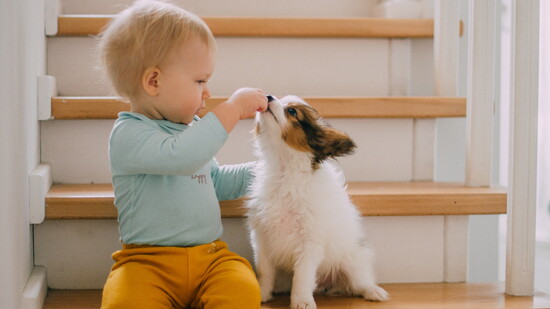
In a world filled with screens, packed schedules, and endless distractions, one of the most powerful teachers a child can have may just be covered in fur, feathers, or even scales. Pets and animals offer more than companionship; they provide beneficial life lessons that help shape compassionate, confident, and emotionally resilient children.
Whether it's a family dog greeting them after school, a rabbit waiting to be fed, or a horse that requires patience and trust. Pets have a unique way of bringing out the best in kids. The bond between children and animals often becomes a foundation for personal growth that lasts well into adulthood.
One of the most important attributes animals help develop is empathy. Caring for a pet helps teach children to recognize and respond to the needs of another living being. Animals cannot communicate verbally when they are hungry, tired, scared, or uncomfortable, so children learn to pay attention to body language and behavioral cues. This awareness encourages them to consider feelings outside of their own experiences.
When a child notices their dog is nervous during a thunderstorm or recognizes that a pet needs gentle care after a visit to the vet, they begin practicing compassion in real-life situations. These experiences help children develop emotional intelligence and a deeper understanding of kindness, both of which influence how they interact with friends, classmates, and family members.
Pets and animals also provide children with opportunities to develop responsibility. Feeding, grooming, exercising, and caring for a pet require consistency and commitment. While parents often supervise these tasks, children who participate in daily pet care quickly learn that living creatures depend on them.
Responsibility becomes more meaningful when children can see the direct impact of their actions. Filling a water bowl, taking a dog for a walk, or cleaning a habitat reinforces the idea that their efforts matter. Over time, these small daily routines help children build accountability, discipline, and a sense of pride in contributing to the well-being of another living being.
Confidence often grows alongside responsibility. When children successfully care for an animal, they gain a sense of accomplishment. They learn that they can handle important tasks and make a positive difference. This feeling of competence can extend into other areas of life, including school, sports, and social situations.
Animals are also remarkably nonjudgmental companions. They don't care about grades, athletic ability, or social status. They offer unconditional affection and acceptance, which can be especially beneficial for children navigating the challenges of growing up. A pet's steady companionship can help children feel valued and secure, strengthening their self-esteem and encouraging them to be themselves.
For some children, animals can even serve as a bridge to social confidence. Talking about a beloved pet often helps children connect with peers who share similar interests. Participating in activities such as dog training classes, horseback riding, or animal-focused clubs can provide opportunities to build friendships and practice communication skills in a comfortable environment.
Animals can also teach resilience. Life with pets naturally introduces children to challenges, including illness, behavioral setbacks, and eventually loss. While these experiences can be difficult, they provide opportunities for children to learn healthy coping skills, patience, and perseverance with the support of caring adults.
Research and experience suggest that interactions with animals can help reduce stress and promote emotional well-being. Many children find comfort in petting a dog, cuddling a cat, or simply spending quiet time with an animal after a difficult day. This emotional support can help children regulate their feelings and build healthy strategies for managing life's difficulties.
Animals encourage children to spend more time outdoors and engage with the world around them. Whether riding a horse or playing outside, interactions with animals inspire activity and curiosity. These experiences help children appreciate nature, strengthen observation skills, and stay active. As many children spend more time indoors, animals provide a natural connection to the world beyond technology.
Importantly, children can build meaningful, beneficial relationships with animals in many ways, even if they don't have a pet at home. Volunteering at animal shelters, visiting farms, participating in equestrian programs, or spending time with family pets can offer many of the same developmental benefits. The key is creating opportunities for meaningful, positive interactions with animals.
As parents and communities look for ways to raise kind, capable, and confident young people, the value of animals should not be overlooked. The lessons they teach are simple but profound: kindness matters, responsibility has purpose, patience produces trust, and love is often shown through actions rather than words.
The relationship between a child and an animal may seem ordinary on the surface, but its impact can be extraordinary. Through wagging tails, gentle nudges, and daily acts of care, animals help shape children into compassionate individuals who carry empathy, confidence, and responsibility with them throughout their lives.
"Sometimes the smallest paws leave the biggest footprints on a child's heart and on the person they become, teaching lessons of kindness, responsibility, empathy, and unconditional love that last a lifetime and shape future generations."